
Warehouse Racking Safety Checklist & 2026 Legal Guide
Contents
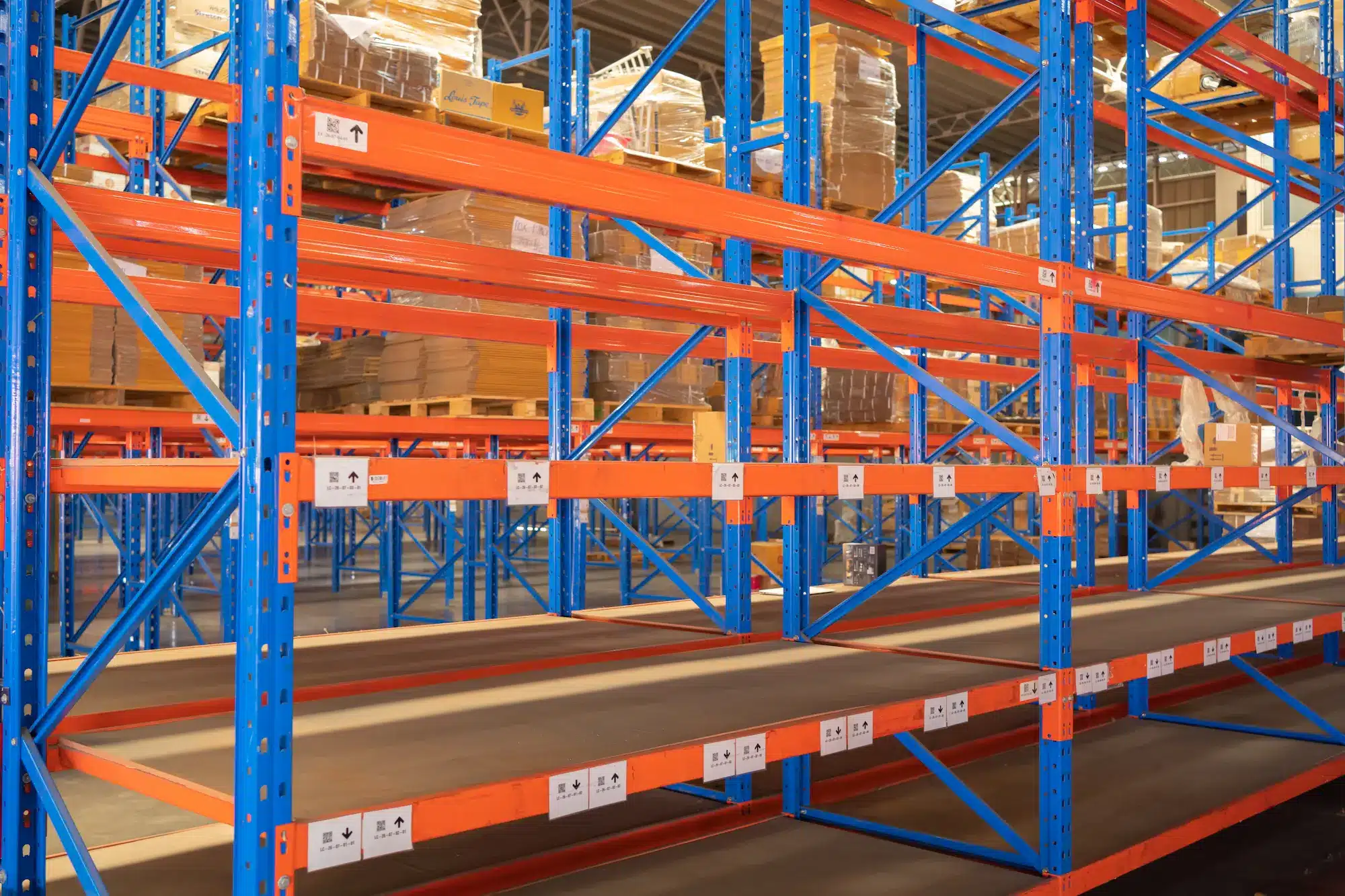
Warehouses and distribution centers now play a major role in logistics and e-commerce businesses. Warehouse racking systems (Warehouse Racking / Storage Racks) no longer serve only for organized storage. They also affect employee safety, product damage, and legal risks that many businesses overlook.
This article covers the 2026 warehouse racking installation checklist. It includes safety standards, practical warehouse guidelines, and related regulations to help businesses build a safe and sustainable warehouse system.
Why Should You Check Warehouse Racking Standards Before Installation?
Most warehouse accidents happen because of basic issues such as:
- Overloaded storage racks
- Improper installation
- Warehouse floors that cannot support the total rack and product weight
- Lack of forklift impact protection systems
When warehouse racks collapse, the consequences can become severe. Employees may suffer injuries or fatalities. Businesses may face product losses worth hundreds of thousands or even millions. Authorities may investigate the warehouse under building and labor safety laws. In addition, companies can lose trust from customers and business partners.
For this reason, a warehouse racking checklist is not optional. Every warehouse business should treat it as a necessity.
Laws and Regulations Related to Warehouse Racking Systems
Thailand still does not have a specific law dedicated to warehouse storage racks. However, companies must follow related regulations, including:
1. Building Control Laws
- Warehouse racks count as part of the warehouse building usage
- Racks must not block fire exits, walkways, or emergency areas
- The combined weight of racks and products must not affect the floor structure
Improper rack placement, such as blocking fire exits, may violate building regulations.
2. Workplace Safety Laws
- Employers must provide a safe working environment
- If storage racks collapse because of negligence or poor standards, the company may violate labor safety laws. In accident cases, businesses may face both civil and criminal liability.
3. Local Standards for Warehouse Rack Installation
- The Engineering Institute of Thailand (EIT) provides standards for steel structure design and rack strength inspections to reduce long-term collapse risks.
- Thailand’s Department of Labour Protection and Welfare requires warehouse racks to undergo structural inspections at least once a year by a licensed engineer to improve warehouse safety and prevent accidents.
4. International Standards Commonly Used as References
Although Thai law does not require them, many factories and large warehouses follow international standards such as EN 15635 (Europe) and ANSI / RMI MH16.1 (United States). These standards improve warehouse safety and increase long-term reliability.

Professional Checklist Before Installing Warehouse Racking
1. Check the Floor Structure and Installation Area
Before installation, businesses should confirm the floor load capacity, floor level condition, and ceiling height suitability for the racking system.
Weak flooring creates risks, even when the rack structure itself is strong.
2. Choose the Right Type of Warehouse Rack
Warehouse storage racks come in many types, including:
- Pallet Racking
- Selective Rack
- Drive-in / Drive-through Rack
- Industrial Steel Shelving
Businesses should select racks based on product weight, product dimensions, picking methods (FIFO / LIFO), forklift operations, and picking frequency.
3. Clearly Define the Safe Working Load (SWL)
Never ignore load capacity limits. Clearly specify the weight limit for each shelf and rack set. Install visible load capacity signs and never exceed the approved limit. This step helps reduce warehouse accidents significantly.
4. Follow Manufacturer Installation Standards
- Install anchor bolts at every required point
- Maintain proper spacing between rack levels
- Do not modify rack structures without expert guidance. Even small installation mistakes can affect the balance of the entire system.
5. Install Protection Systems for Daily Operations
Warehouses that use forklifts should install rack protectors and clearly separate pedestrian lanes from forklift traffic. These systems reduce hidden impact damage that may bend or weaken rack structures.
6. Plan Regular Inspections and Maintenance
Installation does not mark the end of the process. Staff should conduct routine visual inspections. If they find bending, cracks, or deformation, they should repair the issue immediately. Never continue using damaged racks. Regular inspections extend rack lifespan and lower long-term repair costs.
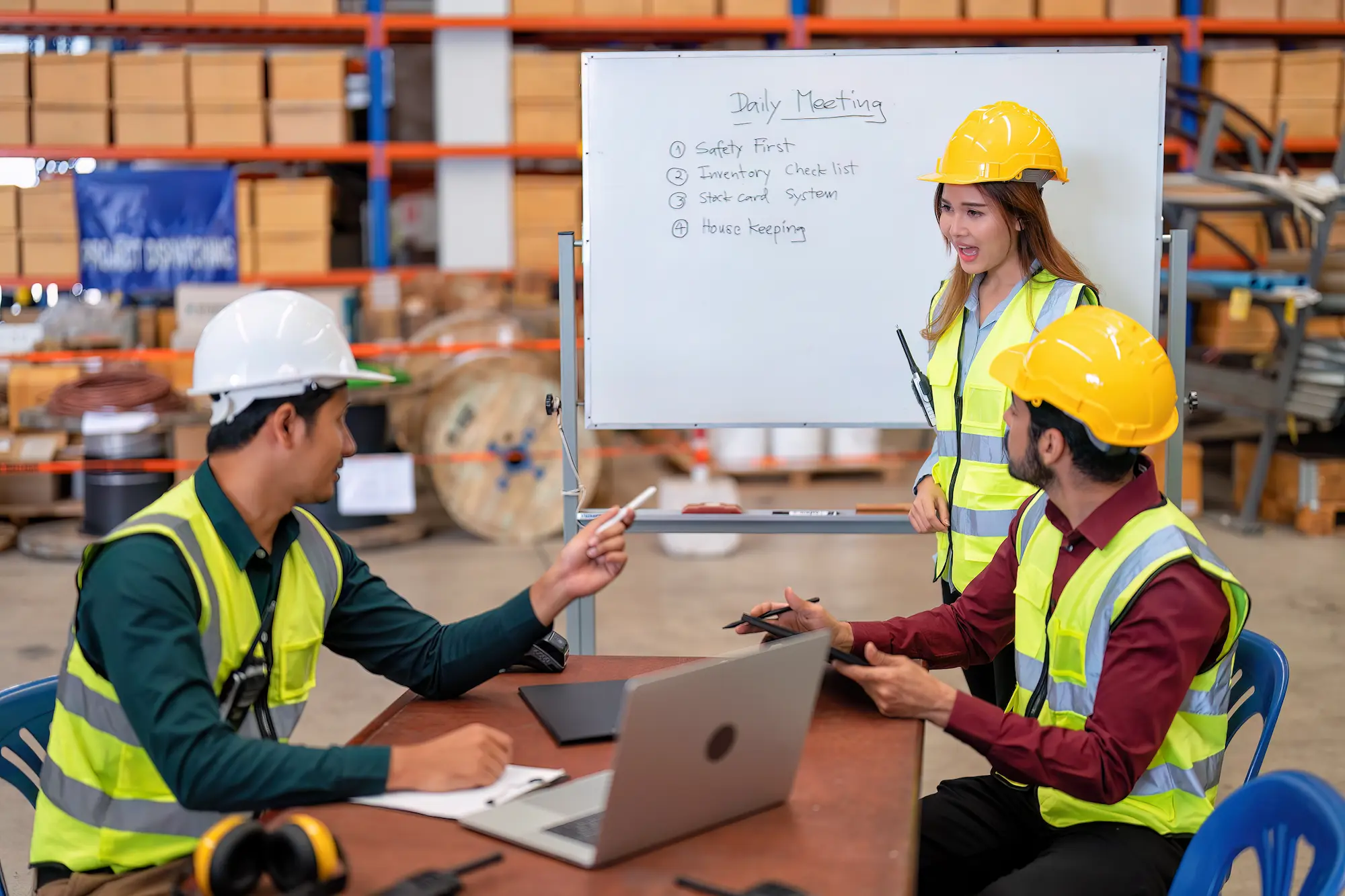
7. Train Employees on Proper Rack Usage
Safe warehouse racking depends on proper employee practices. Workers should never climb on racks or overload shelves. Forklift operators should follow safety procedures at all times. Many warehouse accidents happen because of improper usage rather than rack failure itself.
Important Warehouse Racking Safety Checklist
- Inspect floors and building structures before installation
- Choose racks that match products and warehouse operations
- Clearly define load capacity and install warning signs
- Follow installation standards and avoid unauthorized modifications
- Install impact protection systems
- Perform regular inspections and maintenance
- Train employees on warehouse safety procedures
Frequently Asked Questions (FAQ)
Q: Do warehouse storage racks require legal approval?
A: In most cases, businesses do not need separate approval. However, installations must comply with building control laws and workplace safety regulations. Violations may occur if racks affect building structures or block fire exits.
Q: How much weight can warehouse racks safely support?
A: The safe load depends on the rack type and installation method. Businesses should follow the Safe Working Load (SWL) provided by the manufacturer and never exceed the rated limit.
Q: How often should businesses inspect warehouse racks?
A: Companies should perform routine visual inspections and schedule regular structural checks.
If they find bending, damage, or deformation, they should stop using the rack immediately.
High-Quality Warehouse Racking Builds a Safer Business
Investing in standardized warehouse racking systems does not create unnecessary costs. Instead, it protects employees, supports business continuity, and reduces legal risks in 2026 and beyond. If you need a safe, reliable, and practical warehouse racking solution, consult the experts at UPR Thailand. Their team can help design and install a warehouse racking system that matches your warehouse space and business operations, from rack selection to complete installation services.
UPR (Thailand) Co.,Ltd. > Columns > Logistics > Warehouse Racking Safety Checklist & 2026 Legal Guide
 Contact us
  Call us
  Line Official