
How to Choose Plastic Boxes for Warehouse Storage
Contents
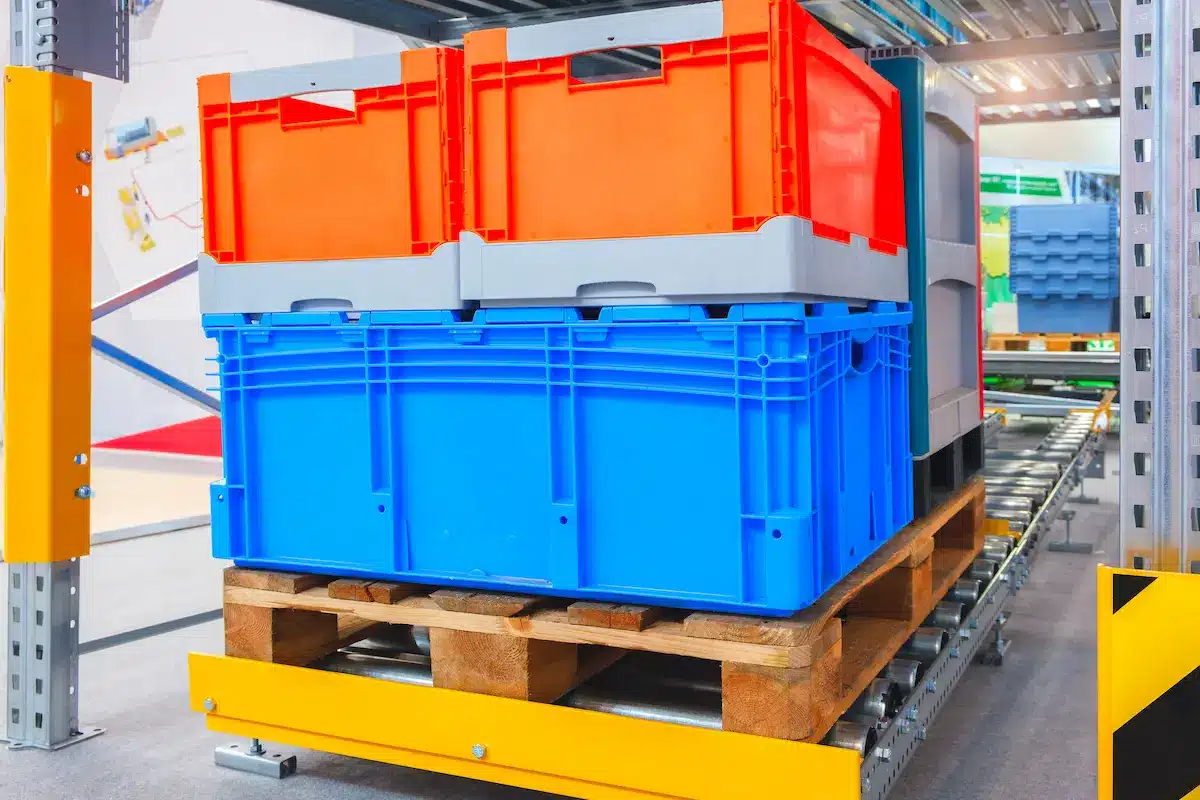
Do you often find small items mixed together, spend time opening multiple boxes to find what you need, or struggle to store more items even when your shelves still have unused space? These problems may not mean your warehouse lacks space. The real issue could be that your storage boxes are not suitable for your products or the available space.
“Plastic Box” is a useful solution for organizing warehouse inventory. Choosing the right box means considering both your products and your warehouse layout, including size, weight, and picking methods. In this article, UPR Thailand explains how to choose plastic boxes that simplify storage and help you make better use of warehouse space.
Why Do Warehouse Storage Boxes Matter Beyond Simply Holding Items?
In warehouses with large inventories, Plastic Boxes help separate products by category. This makes items easier to locate, pick, and return to their designated places without wasting time searching through multiple areas.
The right storage boxes can also help you:
- Organize different product types into clear categories
- Reduce the number of small items scattered across shelves and worktables
- Find products faster by adding labels or identification codes
- Combine multiple items for easier handling and transportation
- Keep shelves neat and organized
Are Your Current Plastic Boxes Still Suitable for Your Warehouse?
Sometimes, problems do not appear when you first purchase storage boxes. They become more noticeable after a period of use as inventory levels, picking methods, or the warehouse layout change.
Check whether your warehouse is experiencing any of these problems:
- Do your boxes regularly have too much unused space?
- Do employees need to move several boxes to pick a single item?
- Do employees have to open multiple boxes before finding the right product?
- Do empty boxes take up too much storage space?
- Are your boxes becoming deformed or difficult to use?
- Do you have so many box sizes that arranging them on shelves has become difficult?
If several of these problems occur at the same time, review your box sizes, storage locations, and product arrangement before deciding to expand your warehouse.
What Will You Use Plastic Boxes For? Start with These 3 Questions
Different products in the same warehouse may require different types of boxes. Before choosing one, consider these three simple questions:
- What will you store? Consider the product dimensions, shape, weight, and quantity you need to store in each box.
- Where will you place the boxes? For example, on the floor, shelves, pallets, carts, or at picking stations.
- How often will you pick the items? Will employees pick these items every day, or will they remain in storage for long periods?
Once you have answered these three questions, you can choose box sizes and designs that better match your actual needs.
6 Important Factors to Check Before Using Plastic Boxes in Your Warehouse
Once you know what to store, where to place it, and how often employees will pick it, the next step is to choose boxes that suit your warehouse operations. Here are six important factors to consider:
1. Choose the Box Size Based on What You Need to Store, Not Simply a Larger Box
Start by checking the dimensions of your products and the quantity you want to store in each box. An oversized box may leave too much unused space and occupy valuable shelf space. A box that is too small can also make picking and returning items difficult. Choose a size that fits your actual requirements.
2. Consider the Total Weight When the Box Is Full
Some products can become quite heavy when stored together. Before selecting a box, calculate the total weight of its contents. Also, check whether employees can lift and move the loaded box comfortably.
3. Check Whether the Boxes Can Be Stacked Safely
If you want to maximize vertical storage space, choose boxes designed for stable stacking and compatible arrangements. If you also need to store empty boxes when they are not in use, consider nestable designs that fit inside one another to reduce the space required for empty-box storage.
4. Picking Frequency Affects the Box Design You Need
Products picked every day should be stored in boxes that are easy to open and access. This helps employees avoid unnecessary steps when retrieving items. For products stored for long periods or picked less frequently, lidded boxes may help protect against dust and dirt. Choose the design based on how each product group is used.
5. Make Sure the Boxes Fit Your Warehouse Space
Before ordering boxes in large quantities, measure the actual space where you plan to use them, including:
- The dimensions and height of your storage racks
- The number of boxes that fit on each shelf
- The dimensions of the pallets or carts used with the boxes
- The clearance needed to pick up and remove boxes
A box may fit your products perfectly but still waste space if it is incompatible with your existing shelves or handling equipment.
6. When Using Multiple Boxes, Make It Easy to Identify What Is Stored Where
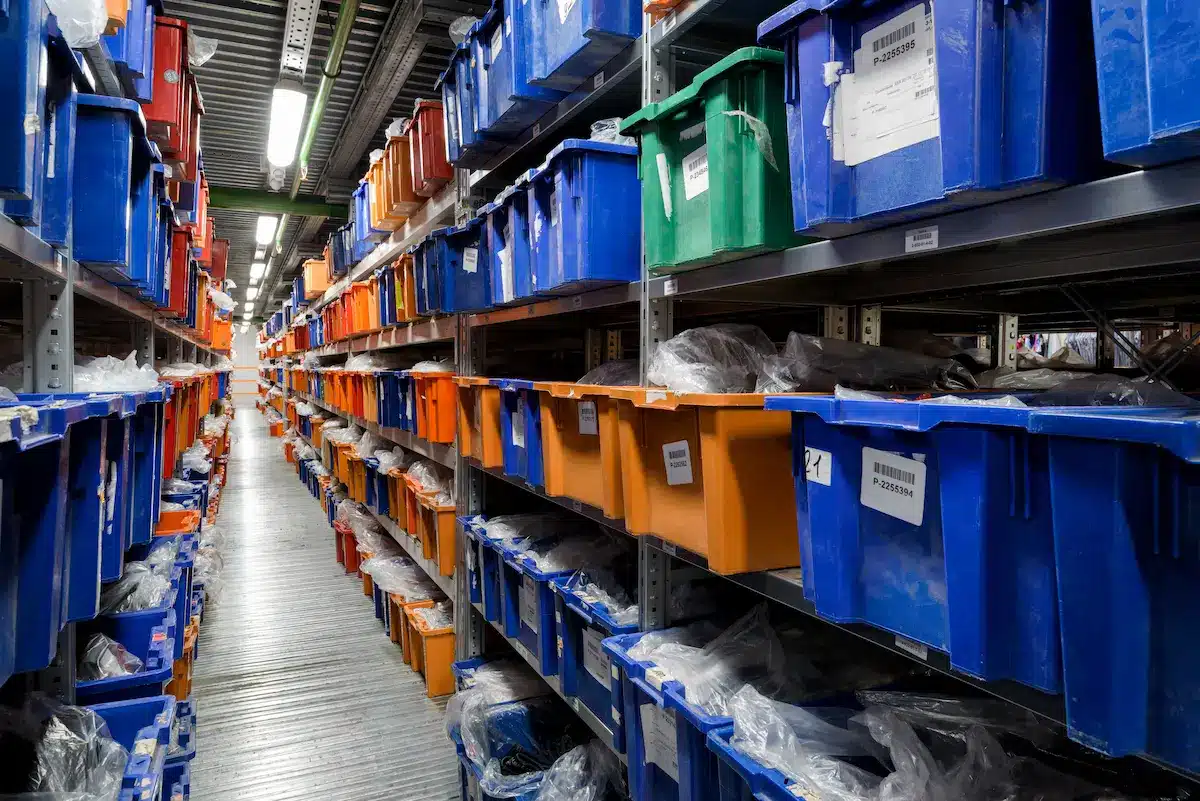
When several boxes look alike but have no labels or identification codes, employees may waste time searching for the right one. Add clear product names, SKU codes, or location codes to each box. Use a consistent labeling system throughout the warehouse.
For example, if an employee needs to pick an item and the system lists its location as Zone A > Row 2 > Level 3 > Bin 4, the employee can go directly to the correct location instead of searching through multiple boxes.
What Should You Keep in Mind When Using Plastic Boxes?
Choosing the right Plastic Box is only the first step. You should also follow a few basic practices during use to maintain safe storage and avoid creating additional problems in daily operations.
- Do not exceed the box’s load capacity. Multiple items can weigh more than expected when combined. Check the total load before storing or moving the box.
- Inspect boxes before reusing them. Remove boxes from service if you find cracks, warping, or other signs of deformation.
- Stack boxes according to their load capacity and height limits. Even if a box is designed for stacking, excessive stacking can make the arrangement unstable.
- Assign clear locations for boxes. This is especially important for boxes awaiting storage or transportation, as it helps keep walkways clear.
- Keep boxes clean according to the products stored inside. Before reusing a box, check for dust, stains, and other contaminants.
- Choose boxes suitable for the surrounding conditions. If the boxes will be used in areas exposed to heat, moisture, or chemicals, check that their material properties are suitable for those conditions.
Frequently Asked Questions About Plastic Boxes
Q: What size Plastic Box should I choose for warehouse storage?
A: Choose a size that fits your products and the available storage space. Consider the quantity stored in each box, shelf dimensions, and the clearance needed to pick up and return items.
Q: What types of products are suitable for Plastic Boxes?
A: Plastic Boxes are suitable for finished goods, materials, packaging, and general equipment that need to be stored together and protected from dust during storage or transportation.
Q: Can Plastic Boxes be used in dusty or humid areas?
A: Yes, but choose a box that suits the surrounding conditions. In dusty areas, a lidded box may be a good option. In humid areas, consider whether the stored products require additional moisture protection.
Q: Should I choose Plastic Boxes with or without lids?
A: Lidded boxes are more suitable when you need to protect items from dust or store them for long periods. For products picked frequently, choose a design that is easy to open and access.
Q: Does box color affect warehouse inventory management?
A: Color can make warehouse organization easier. For example, different colors can identify product types, zones, or departments and help employees find the boxes they need more quickly. Define what each color represents and apply the same standards throughout the warehouse.
Choose Plastic Boxes That Fit Your Warehouse and Make Better Use of Every Space
When choosing Plastic Boxes, consider both your products and your warehouse layout. Important factors include box size, weight capacity, picking frequency, and shelf dimensions. When boxes fit the items they hold and the available storage space, they make it easier to organize products, locate inventory, and use warehouse space more efficiently.
UPR Thailand offers Plastic Boxes for warehouse storage in a variety of sizes, including lidded models that help protect products from dust. We also provide storage and handling equipment for warehouse operations. If you are looking for Plastic Boxes for your warehouse, contact UPR Thailand for advice on selecting equipment that suits your products and warehouse requirements.
UPR (Thailand) Co., Ltd.
TEL: +66-2-672-5100
EMAIL: info-thailand@upr-net.co.jp
UPR (Thailand) Co.,Ltd. > Columns > Logistics > How to Choose Plastic Boxes for Warehouse Storage
 Contact us
 Call us
 Line Official