
7 Pallet Management Problems in Logistics & Pro Solutions
Contents

For businesses that manufacture, store, and transport goods regularly, logistics is not just a back-office operation. It directly impacts your bottom line, delivery speed, and customer satisfaction. Poor management quickly creates hidden costs that drain your profits.
In reality, logistics hidden costs creep in from many angles: overpurchasing pallets, excess inventory cluttering warehouses, insufficient storage space, complex inventory tracking, and rigid return systems. These issues waste valuable time, labor, and capital.
This article explores 7 common logistics problems and their professional solutions. Discover how the Pallet Pooling system—or rental pallet rotation—lets you use exact quantities, eliminate excess purchasing, free up space, and streamline your supply chain.
1. High Pallet Costs Driven by Direct Ownership
Many businesses overlook a major hidden expense: direct pallet purchasing, especially with one-way pallets. Shipping products without recovering pallets forces continuous repurchasing, constantly building up operational expenses.
Beyond the initial purchase price, companies shoulder freight charges, storage fees, stock counting tasks, maintenance, and replacement costs for damaged units. These factors inflate your logistics budget unnecessarily.
Pro Solution
Switch from buying pallets to renting through a Pallet Pooling system. Order the exact amount you need, avoid upfront capital investments, and stop storing unused inventory.
2. Unnecessary Minimum Order Quantities
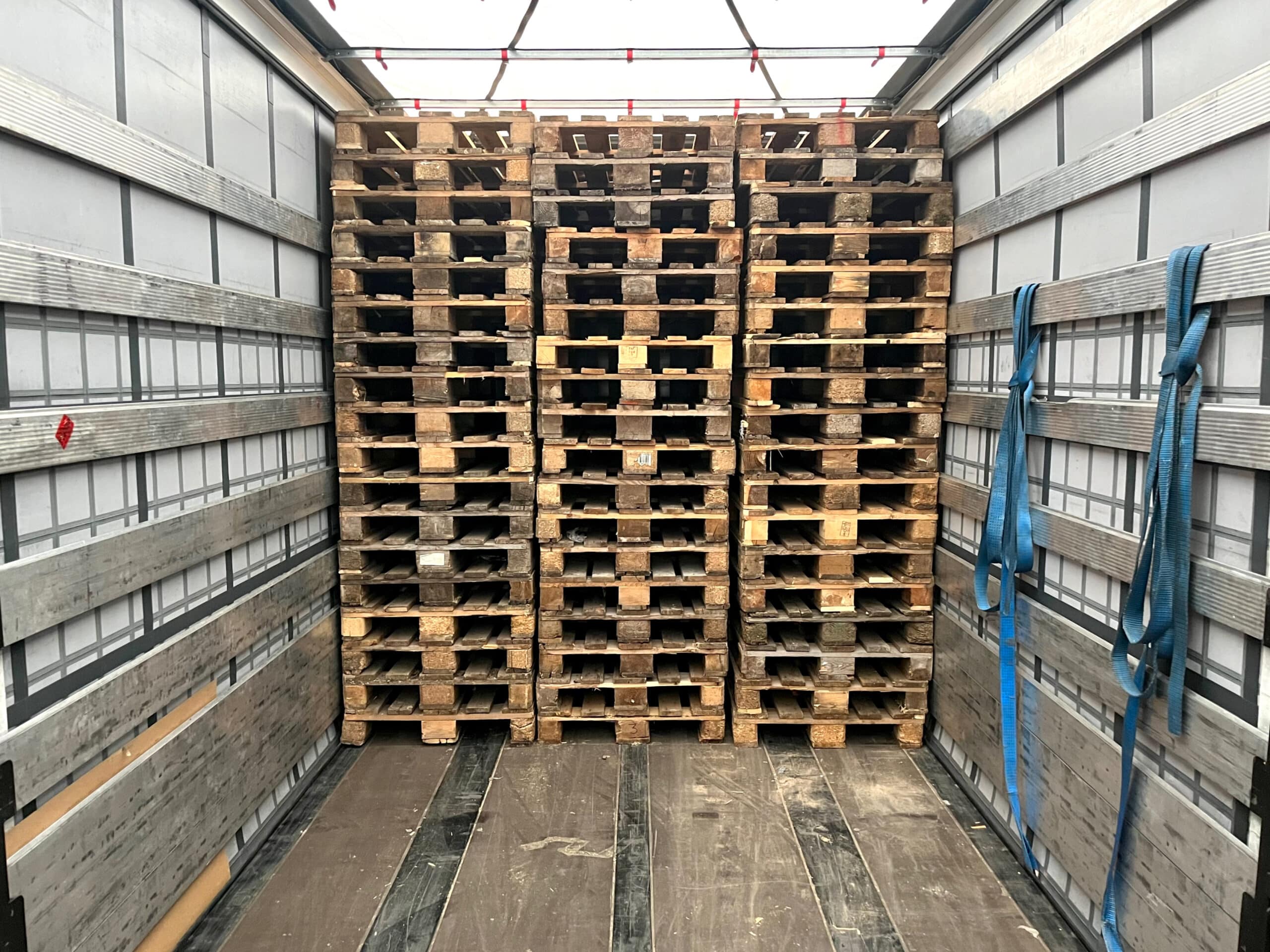
Many companies do not lack pallets; they suffer from mandatory bulk orders. Vendor terms or freight logistics often require full truckload orders to make shipping cost-effective.
Consequently, businesses pay large upfront sums for surplus items. You must then allocate space, track inventory, and prevent damage while waiting to use the remaining stock.
Pro Solution
Adopt a Pallet Pooling model to request exact quantities for active operations. Eliminate minimum order conditions, skip full truckload requirements, and stop stockpiling surplus pallets.
Case Study: Chemical Manufacturer in Rayong
A chemical manufacturer in Rayong previously bought one-way pallets to ship chemical products to customers. Because their supplier was located far away, they had to order full truckloads of 180 units per delivery to balance shipping costs.
However, actual operations required only 120 to 140 pallets per shipment. This gap generated constant surplus, locked up working capital, consumed warehouse space, and added management overhead for staff.
3. Non-Revenue Storage Cluttering the Warehouse
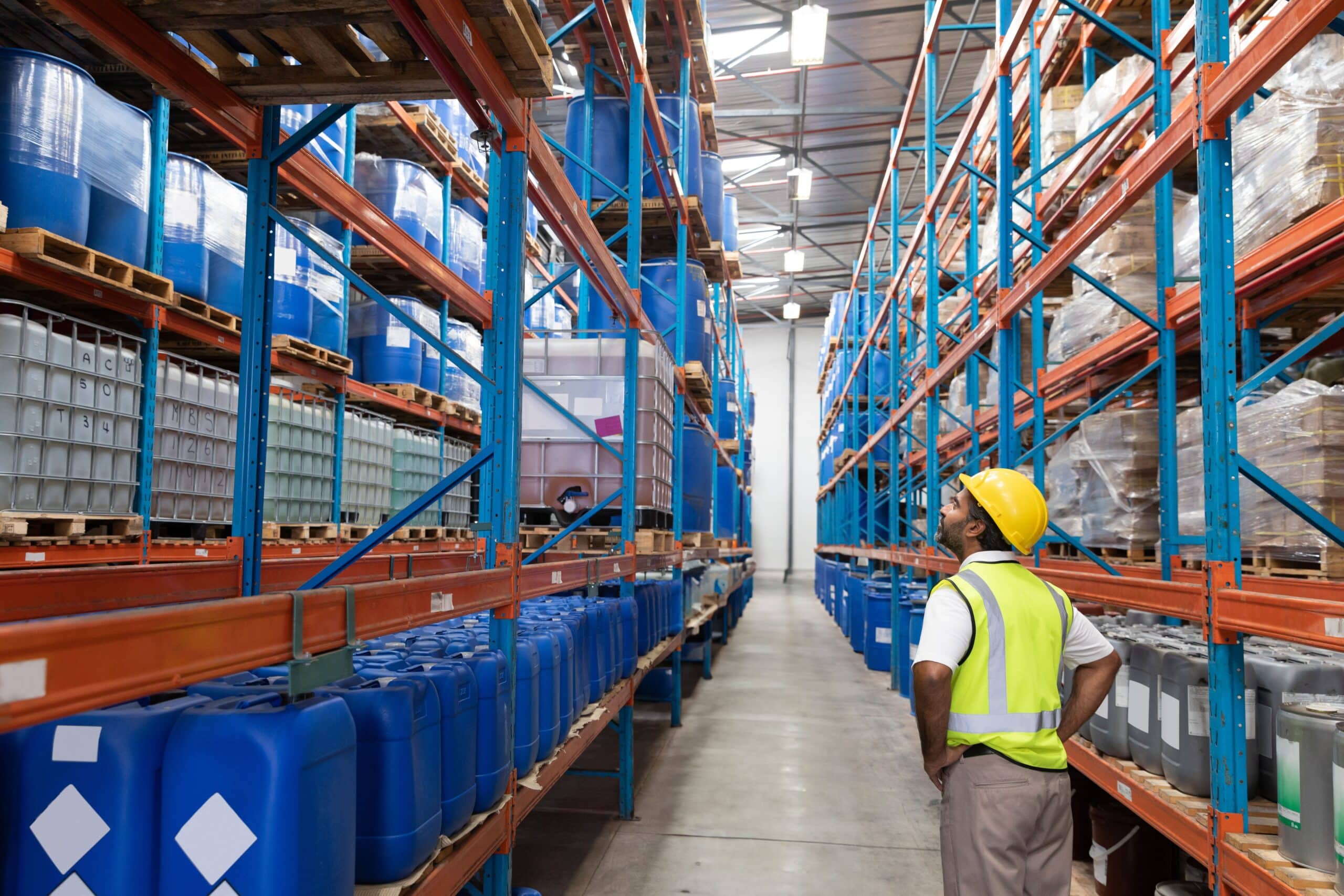
Warehouse space drives business performance, particularly for raw materials, work-in-progress, and finished goods. Yet, unused idle pallets frequently occupy valuable storage areas.
Mid-sized facilities feel this pressure acutely. Every square meter incurs rent, utility, and labor costs while taking space away from revenue-generating goods.
Pro Solution
Implement Just-In-Time pallet deliveries for each operational cycle. A pooling network with accessible pick-up and drop-off depots minimizes stored inventory and reclaims floor space for core stock.
4. Complex and Time-Consuming Stock Control
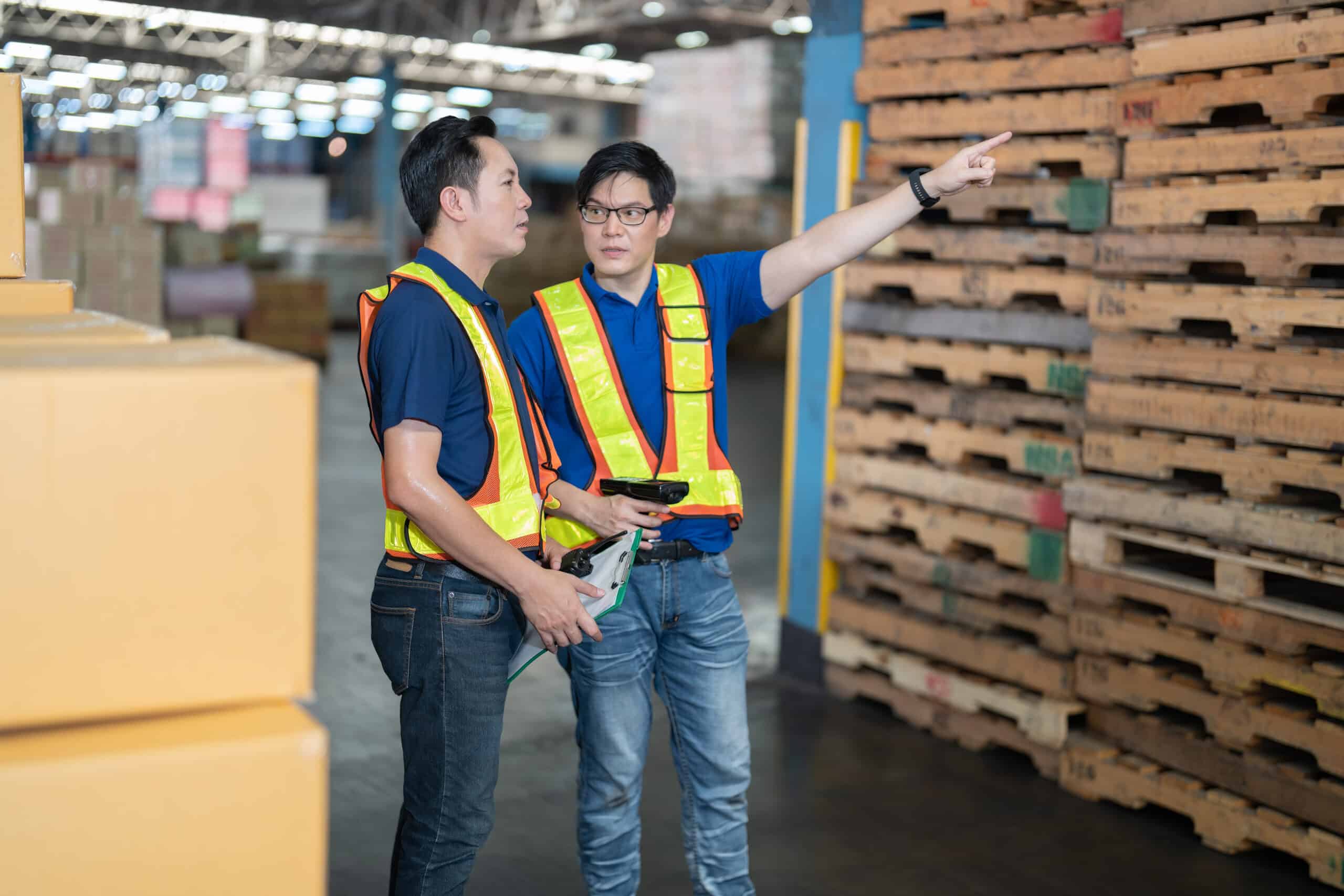
Pallets seem basic, yet managing procurement, storage, auditing, and returns internally drains hours from your warehouse team.
Common headaches include untracked inventory, damaged units, missing items, and delayed customer returns. Without a streamlined system, you face sudden shortages and costly excess inventory simultaneously.
Pro Solution
Partner with a rental provider offering complete tracking tools and established depot networks. Offloading inspection, maintenance, and rotation tasks allows your staff to focus entirely on core business priorities.
5. Rigid Transport Routes Increasing Expenses
Shipping goods across multiple regions often exposes rigid return operations. Forcing pallets back to the origin point creates empty backhauls, higher freight bills, and complicated route planning.
Pro Solution
Deploy a Pallet Pooling network with convenient drop-off depots along your shipping routes. Pick up equipment near your factory, ship goods to customers, and allow recipients to return units at neighboring depots.
Example from the Case Study
For the Rayong chemical producer, UPR provided a pooling system allowing local pallet pick-ups in Rayong. After shipment, end customers easily returned empty units to a convenient depot in Chachoengsao.
Clients access this seamless cycle across UPR’s 11 regional depots and partner locations. Both senders and receivers manage assets effortlessly without fixed point-to-point restrictions.
6. Hidden Logistics Costs Added to Product Prices
Purchasing single-use pallets forces businesses to absorb pallet expenses directly into product prices or freight surcharges. Non-returnable shipping assets continuously add unnecessary expenses to every delivery.
For high-volume B2B operations, these minor item costs stack up quickly over months and years, directly weakening your price competitiveness.
Pro Solution
Separate equipment ownership from product costs by shifting to usage-based rental fees. Control costs precisely, eliminate continuous buy-outs, and remove heavy equipment surcharges from customer orders.
By switching to Pallet Pooling, the Rayong chemical manufacturer slashed total pallet expenses by 20%.
7. Recipient Storage Struggles at Destination Sites
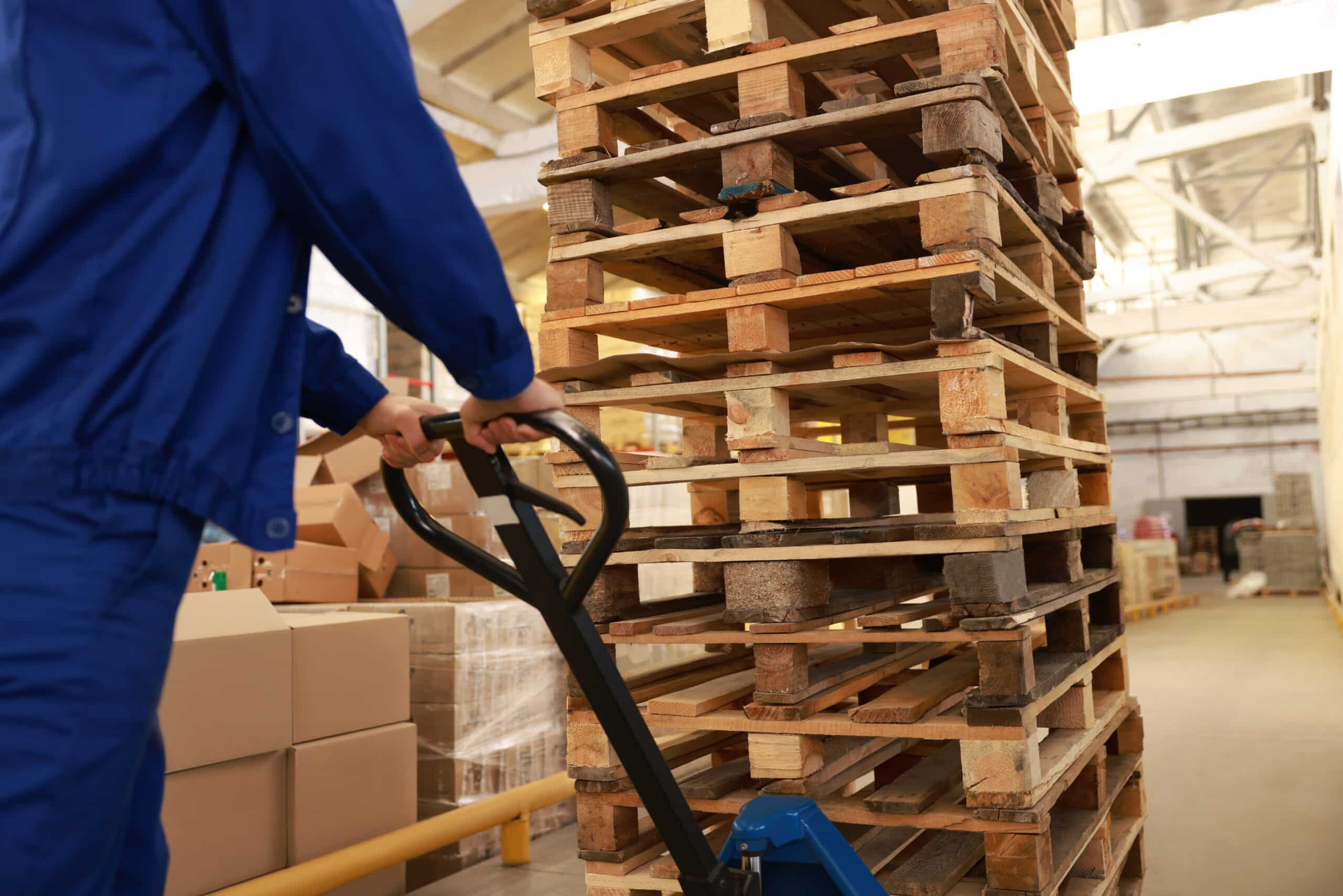
Businesses often ignore the operational burden placed on end customers receiving palletized freight. Without a clear return process, recipients waste space, arrange disposal, or wait indefinitely for pickup crews.
Pro Solution
Offer a flexible pooling framework where destination partners rent equipment as needed or return items to local depots upon unloading. This approach eliminates empty return trips and creates a seamless experience across your supply chain network.
Results: How Pallet Pooling Transformed a Rayong Chemical Business
Faced with full truckload minimums and costly one-way purchases, a chemical producer in Rayong adopted UPR’s Pallet Pooling System to match equipment supply with actual delivery cycles.
Now, the plant retrieves exact quantities from a local Rayong depot, abandoning mandatory 180-unit truckload orders. Ordering 120 to 140 units per run cut excess spending, saved cash flow, and eliminated warehouse clutter instantly.
Furthermore, the pooling framework simplified inter-site returns. End customers keep equipment for ongoing operations or return empty units locally, removing long-haul return shipping costs.
Key achievements include: a 20% reduction in total pallet expenses, zero surplus ordering, freed-up floor space, reduced tracking overhead, and efficient route management.
“This system simplifies our entire workflow. We pick up exact amounts without holding idle stock. Our clients love the flexibility to continue renting or return units immediately.”
— Warehouse Manager, Chemical Manufacturing Firm in Rayong
Why Pallet Pooling Cuts Logistics Costs Effectively
Pallet Pooling offers more than simple equipment rental; it optimizes supply chain resource allocation. Businesses order exact quantities, preserve capital, and remove the burden of storing excess assets.
Key Benefits of Pallet Pooling:
- Flexible Pick-Up & Drop-Off Options: Retrieve equipment near origin points and return units at convenient destination depots.
- Route Optimization: Cut unnecessary travel distance and stop running empty vehicles.
- Cost Elimination: Remove hidden expenses tied to long-distance asset recovery.
This strategy drives results for high-volume operations, including industrial plants, chemical suppliers, food processors, medical equipment firms, electronics factories, warehouses, and general distributors seeking lean logistics.
At UPR Thailand, we provide plastic pallet rental solutions tailored across diverse industries. Select from various types, dimensions, and load capacities designed specifically for your storage setup, handling equipment, and transport routes.
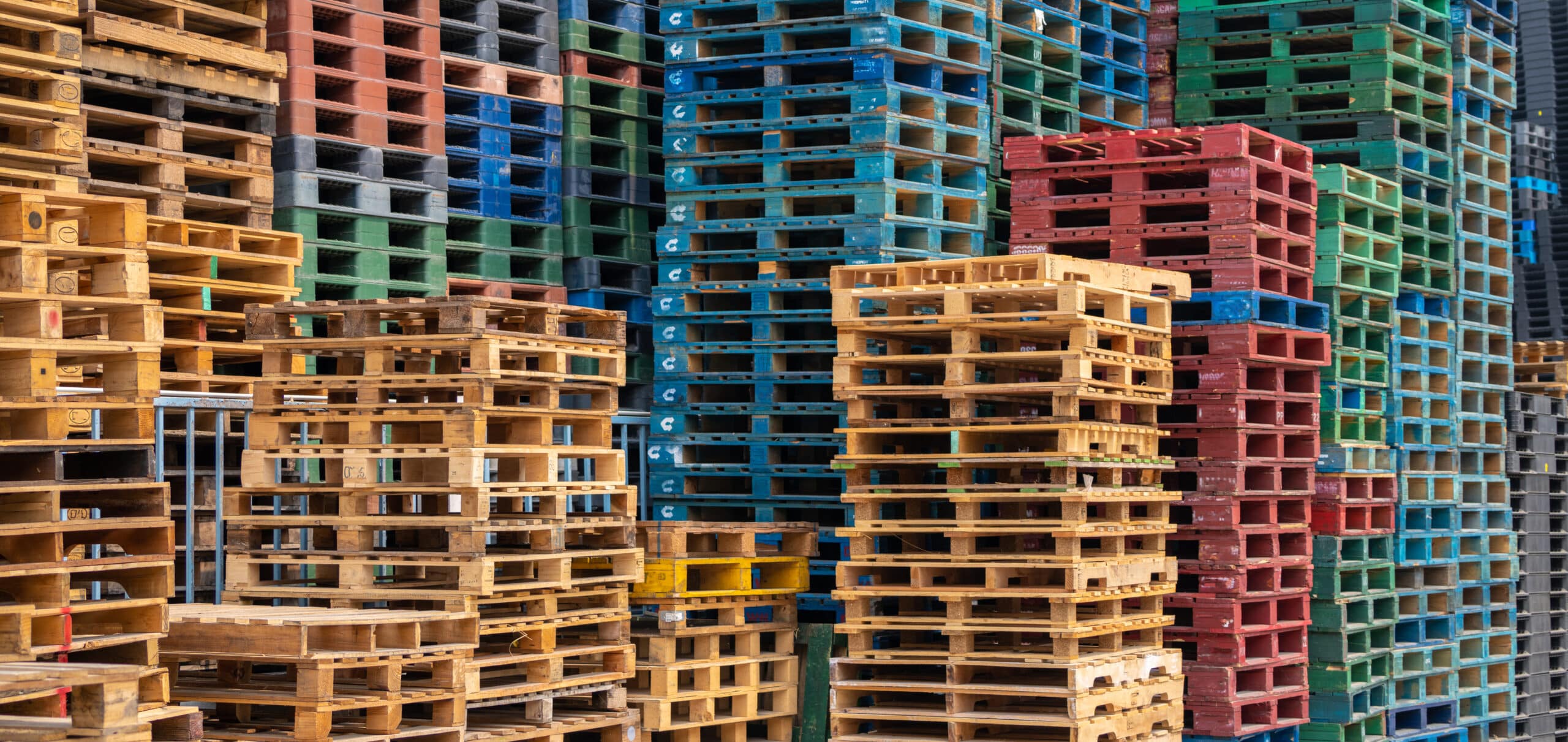
How to Choose the Right Pallet for Your Business
Selecting appropriate equipment optimizes daily storage and transport workflows. Each model features unique dimensions, materials, weights, handling options, and weight ratings.
Before making a selection, evaluate product characteristics, weight distribution, warehouse handling, forklifts, hand pallet jacks, stackers, and storage setups (floor loading, stacking, or racking) to ensure safe, cost-effective operations.
Popular Pallet Models to Consider:
- Wooden Pallets:
Ideal for general handling, warehousing, manufacturing, and distribution centers using standard forklifts. - Plastic Pallets:
Widely adopted for high durability, uniform weight, and standardized supply chain compliance.- Fits diverse storage and transport applications.
- Works seamlessly with forklifts and material handling equipment.
- Flat Top Plastic Pallets:
Provides flat, stable surfaces for boxed cargo, bagged goods, and delicate packaging.- Perfect for boxed products needing smooth base support.
- Performs exceptionally on production lines and inside warehouses.
- Large Size Pallets:
Built for oversized freight or high-volume cargo, expanding surface support while preventing loading hazards.- Suited for heavy industrial plants and large distribution centers.
- Enhances handling speed and storage density.
Pair your selection with complementary equipment to maximize space utilization:
- Nesting Rack (Upright Rack):
Unlocks vertical storage space alongside pallets, perfect for facilities needing flexible stackability without permanent rack installations.- Maximizes vertical warehouse capacity.
- Provides dynamic storage flexibility.
- Nesting Rack Inverted (Inverted Rack):
Adapts layout structures easily to handle fluctuating inventory volumes efficiently.- Optimizes warehouse footprint usage.
- Adjusts smoothly to shifting storage requirements.
- Ideal for businesses with seasonal inventory swings.
Frequently Asked Questions About Logistics Management
Q: What common logistics issues affect daily operations?
A: Frequently encountered issues include high shipping fees, expensive pallet investments, warehouse space shortages, excess idle inventory, complex stock tracking, and rigid return logistics.
Q: What is Pallet Pooling?
A: Pallet Pooling is a shared rental ecosystem. Businesses rent exact quantities for specific timeframes without buying equipment outright, returning units to nearby network depots upon job completion.
Q: How does renting pallets outperform buying?
A: Renting lowers capital expenditure, reduces storage needs, cuts stock management tasks, and aligns equipment costs strictly with active operations.
Q: Which industries benefit most from plastic pallets?
A: Plastic units suit sectors needing regular transport and high cleanliness standards, such as food manufacturing, medical supply, electronics, chemical production, logistics hubs, and warehousing.
Q: Does a rental pallet system truly lower operational costs?
A: Yes, pooling delivers proven cost savings for active supply chains. For instance, our Rayong chemical manufacturer case study demonstrated a 20% drop in overall pallet costs while completely clearing warehouse floor space.
Summary: Cut Logistics Costs through Smart Pallet Management
Logistics expenses stem from more than transport fees alone. Hidden costs hide in excess equipment purchases, wasted floor space, cumbersome inventory tracking, rigid return routes, and unit costs embedded into shipping fees.
For companies moving goods continuously, replacing direct purchasing with a Pallet Pooling System delivers immediate supply chain efficiencies. Match equipment supply with actual demand, eliminate stockpiling, free up warehouse floor space, and enable smooth asset rotation across your network.
UPR Thailand delivers expert guidance on plastic pallets, pallet rental systems, and customized warehouse solutions tailored to your business operations.
UPR (Thailand) Co., Ltd.
TEL: +66-2-672-5100
EMAIL: info-thailand@upr-net.co.jp
UPR (Thailand) Co.,Ltd. > Columns > Logistics > 7 Pallet Management Problems in Logistics & Pro Solutions
 Contact us
  Call us
  Line Official