
How to Choose a Hand Pallet Truck: 6 Key Factors
Contents
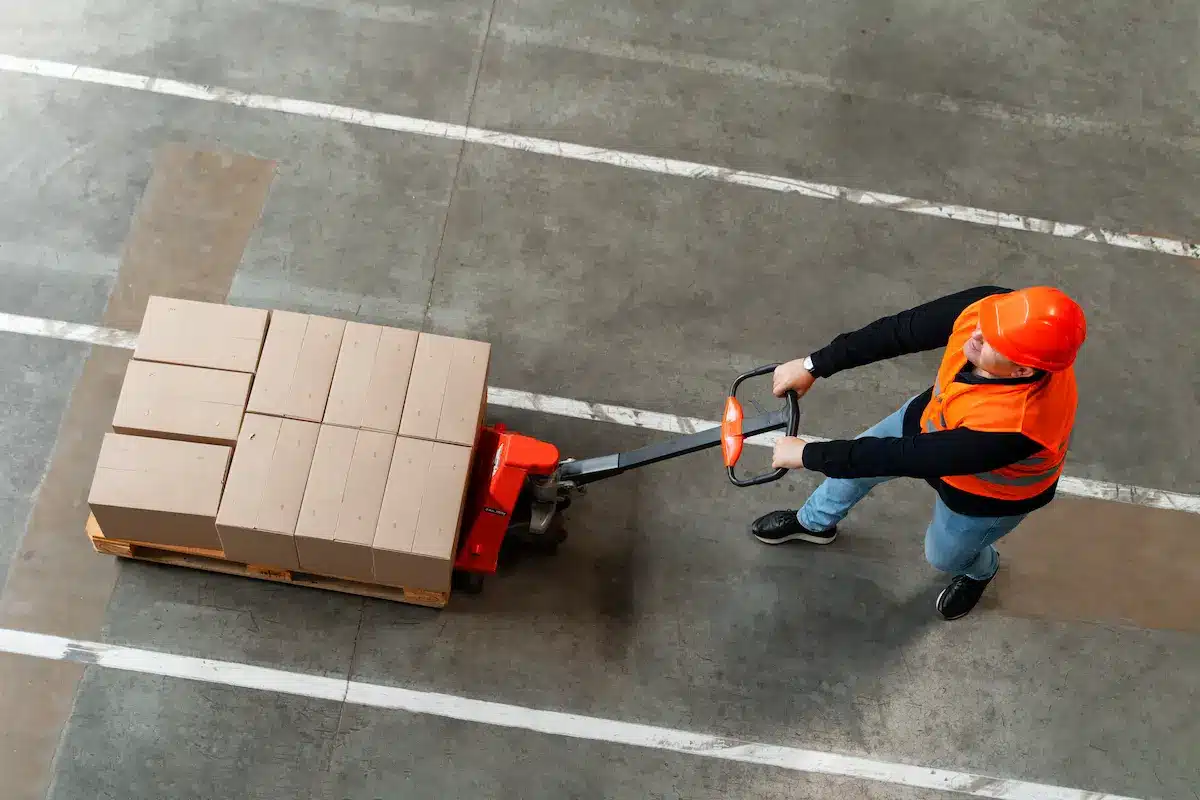
In a warehouse, workers move palletized goods every day. These tasks include storing incoming products, transporting goods within the facility, and preparing shipments for delivery. Choosing the wrong equipment can make material handling less efficient and increase the physical workload for warehouse staff.
When choosing a hand pallet truck, you should look beyond “How much weight can it carry?” Consider pallet dimensions, warehouse space, usage frequency, and the tasks workers perform. These factors help you choose equipment that meets your actual operational needs.
In this article, UPR Thailand explores the key factors to consider before choosing a hand pallet truck. From load capacity and pallet dimensions to workspace requirements and maintenance, these guidelines help business owners and warehouse staff select the right equipment for their operations.
What Is a Hand Pallet Truck? Why Do Warehouses Need One?
A hand pallet truck, also known as a manual pallet jack, is a piece of equipment designed to lift and move palletized goods within a warehouse. The operator inserts the forks beneath a pallet, raises it slightly, and pulls it to the desired location. This process makes material handling easier and reduces physical effort, especially when workers regularly move pallets between storage areas and workstations.
Although a hand pallet truck simplifies material handling, choosing the right model involves more than checking its load capacity. Every warehouse has different operating requirements and space constraints.
So, what should you consider before choosing a hand pallet truck for your warehouse? Let’s explore these 6 key factors.
1. Check the Actual Load Weight and Compare It with the Truck’s Capacity
Before choosing a hand pallet truck, determine the maximum weight of the goods you need to move. Consider both your regular loads and products that may weigh more on certain occasions. Then, select equipment with a suitable load capacity to meet your operational requirements and support safe handling.
2. Check Pallet Dimensions Before Choosing a Hand Pallet Truck
Besides load capacity, check the pallet dimensions and fork entry openings to ensure compatibility with your hand pallet truck. This step is especially important when handling custom-sized pallets or pallets that differ from standard dimensions. If the forks do not fit the pallet properly, operators may struggle to insert, lift, and move it. Checking pallet dimensions in advance helps you choose equipment that better matches your handling requirements.
3. Aisle Width and Workspace Affect Maneuverability
Warehouse layout plays an important role in choosing a hand pallet truck. Different workspaces have different aisle widths and material handling requirements. Assess your actual operating environment before making a decision. For example:
- Narrow aisles or frequent turns Choose a compact truck that operators can maneuver and turn easily.
- Wide aisles and open spaces A standard-sized truck may work well. Choose a model that matches your load capacity and pallet dimensions.
- Long travel distances or frequent daily trips Choose a truck that moves smoothly and requires less physical effort to help reduce the workload for warehouse staff.
Before choosing a hand pallet truck, assess aisle widths, turning points, and travel distances. These details help you select equipment that moves efficiently throughout your warehouse.

4. Usage Frequency Also Matters When Choosing a Hand Pallet Truck
Consider how often workers move goods throughout the day. Usage frequency can help you determine which type of hand pallet truck best suits your operation.
- Occasional use or short-distance handling A manual hand pallet truck uses a hydraulic system to raise and lower the forks. It suits general warehouse handling tasks.
- Frequent trips or continuous material handling An electric pallet truck reduces physical effort and suits operations that involve longer travel distances or higher handling volumes.
Consider usage frequency, workload, and travel distance together. These factors make it easier to decide whether a manual or electric hand pallet truck best suits your warehouse operations.
5. Floor Conditions Matter More Than You Might Think
Floor conditions affect how easily operators push, turn, and control a hand pallet truck. Check the surface carefully before choosing a model. Consider the following examples:
- Smooth warehouse floors A standard hand pallet truck can work well. Choose wheels that suit your operating conditions.
- Floors with joints or minor unevenness Choose a model with durable wheels that can move across floor joints smoothly.
- Rough floors or significant changes in floor level Choose a model specifically designed for these conditions or consider alternative material handling equipment.
Assess floor conditions alongside your operational requirements to choose a hand pallet truck that moves efficiently in your workspace.
6. Consider Maintenance Before Choosing a Hand Pallet Truck
Think about long-term use rather than focusing only on features and the initial purchase price. Ask about maintenance requirements, spare parts availability, and after-sales service. These factors help ensure you can maintain your equipment conveniently over time.
Considering these factors gives you a more complete picture of long-term value and helps you select equipment that suits your warehouse operations.
Which Warehouses Benefit Most from Hand Pallet Trucks?
Hand pallet trucks suit many types of warehouses, especially facilities that regularly store and move palletized goods. Common applications include:
- Warehouses and distribution centers
- Factory raw material storage areas
- Consumer goods warehouses
- Retail stores and businesses with storage areas
The right choice depends on more than the type of warehouse. Consider your workflow and available space to ensure the hand pallet truck reduces physical effort and makes material handling more convenient.

Is Your Hand Pallet Truck Ready for Use? Check Before Starting Work
After choosing equipment that suits your operational needs, inspect the truck before starting work each day. Problems with individual components can affect lifting and material handling. A basic inspection helps workers identify abnormalities early and reduce the risk of problems during operation.
Check the following components before use:
- Forks Check for bends, cracks, or other unusual damage.
- Wheels and rollers Make sure they rotate and move normally without sticking or jamming.
- Handle and control lever Check that you can control the truck’s direction and operation properly.
- Lifting and lowering system Test the forks to ensure they raise and lower as expected.
- Truck body and hydraulic system Look for oil leaks or other abnormalities around the truck body and hydraulic components.
If you notice any abnormalities, stop using the truck and investigate the cause. This helps maintain smooth material handling and reduces risks associated with faulty equipment.
How to Use a Hand Pallet Truck Efficiently and Safely
Efficient pallet handling depends on more than the equipment itself. Proper load placement and truck control also play important roles. Warehouse staff should follow the correct operating procedures to move goods efficiently and reduce risks during daily operations.
Follow these essential operating practices:
- Distribute the load evenly across the pallet Avoid placing too much weight on one side. A balanced load helps keep the pallet stable during transport.
- Never exceed the rated load capacity Check the load weight before lifting and never exceed the truck’s rated capacity.
- Check the route before moving the load Look for obstacles, areas where people are working, and any points that could make transportation difficult.
- Adjust your speed to the workspace Move the truck steadily and avoid sudden changes in direction, especially in confined spaces.
- Take extra care at corners and on ramps Keep the hand pallet truck stable and check the route before moving through these areas.
When warehouse staff understand proper operating procedures and remain aware of their surroundings, they can move palletized goods more efficiently. These practices also help reduce the risk of problems during material handling.
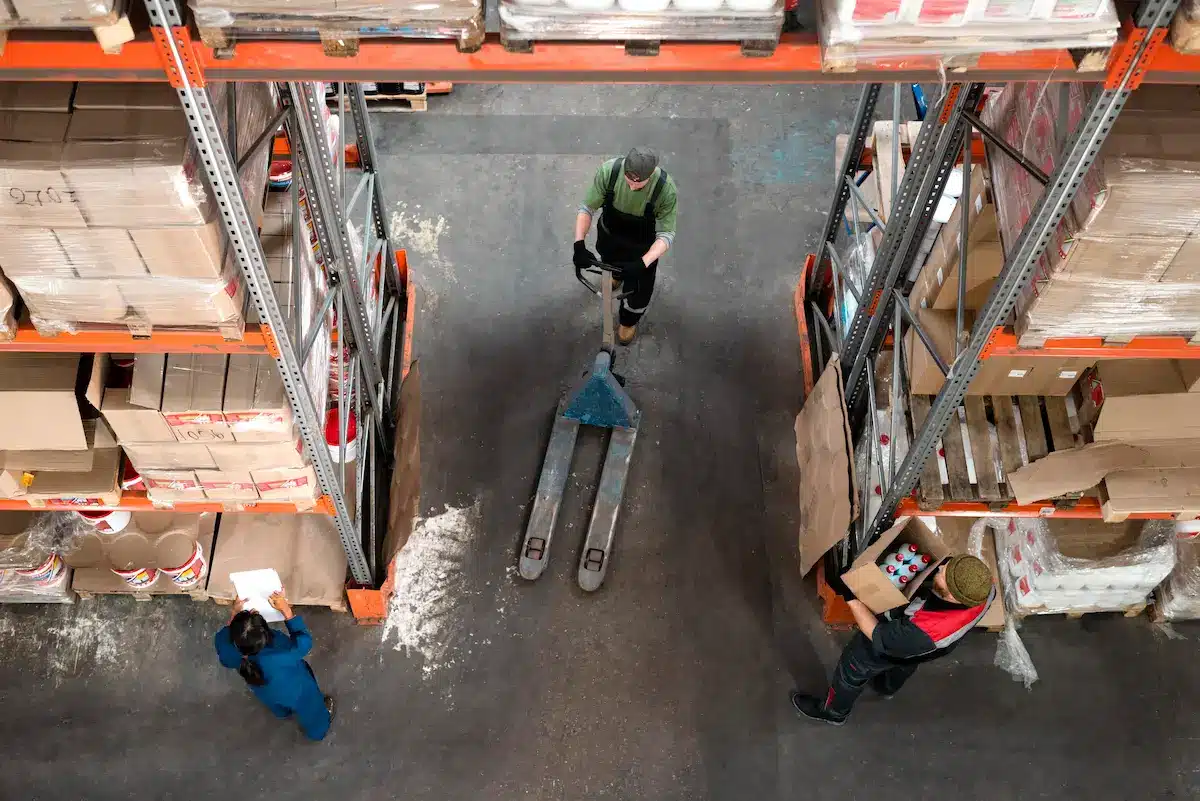
Frequently Asked Questions About Hand Pallet Trucks
Q: What is the difference between a hand pallet truck and a forklift?
A: A hand pallet truck suits short-distance pallet movement within a warehouse. A forklift can lift goods to greater heights and handle a wider range of material handling tasks.
Q: How high can a hand pallet truck lift goods?
A: A standard hand pallet truck lifts a pallet just high enough to clear the floor for transportation. It does not lift goods onto high storage racks like a forklift.
Q: Can you use a hand pallet truck on ramps?
A: You can use a hand pallet truck on certain ramps, but always assess the slope, floor conditions, load weight, and the specifications of your model before use.
Q: Should you buy or rent a hand pallet truck?
A: Consider how frequently and how long you need the equipment. Buying may offer better value for regular, ongoing use. Renting may suit occasional or temporary requirements.
Q: Can a hand pallet truck handle all types of pallets?
A: Choose a hand pallet truck that matches your pallet dimensions, fork entry openings, and load weight. The right fit allows you to insert the forks, lift the pallet, and move it conveniently.
Choose the Right Hand Pallet Truck by Understanding Your Operational Needs
When choosing a hand pallet truck, consider load capacity, pallet dimensions, workspace, floor conditions, handling frequency, and maintenance requirements. These factors help you select equipment that suits your operations and improves efficiency throughout your warehouse.
If you are looking for a hand pallet truck for your warehouse, UPR Thailand can provide guidance and recommend solutions that match your operational requirements and available space. Our team can help you choose equipment that best suits your actual handling needs.
UPR (Thailand) Co., Ltd.
TEL: +66-2-672-5100
EMAIL: info-thailand@upr-net.co.jp
UPR (Thailand) Co.,Ltd. > Columns > Logistics > How to Choose a Hand Pallet Truck: 6 Key Factors
 Contact us
 Call us
 Line Official