
Can Plastic Pallets Really Reduce Warehouse Costs?
Contents
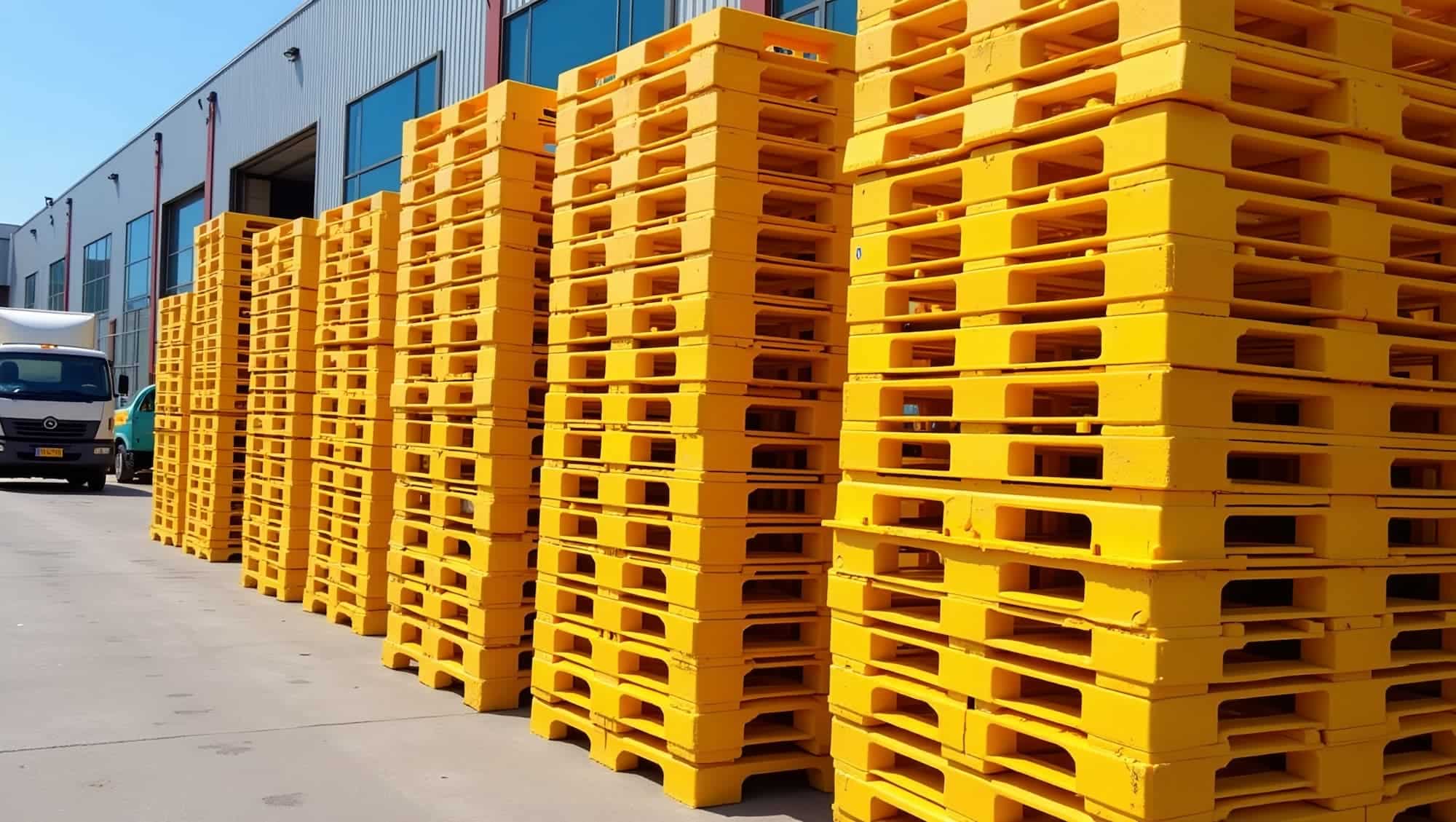
Logistics costs, warehouse rents, and labor wages have risen steadily over recent years. Many entrepreneurs now focus heavily on Warehouse Cost Reduction to stay competitive.
The main challenge lies in cutting costs without hurting efficiency. You must avoid increasing risks or creating hidden expenses later.
Logistics experts increasingly discuss switching from wooden pallets to plastic pallets. But do plastic pallets actually save money, or do they just increase your initial investment?
This article analyzes the Total Cost of Ownership (TCO). We provide 10 practical reasons why many organizations switch to plastic to achieve long-term savings.
Why Modern Businesses Switch to Plastic Pallets
Plastic pallets support goods during storage, movement, and warehouse management. Manufacturers use HDPE or PP materials to ensure strength. These designs integrate perfectly with modern transport systems.
Industries favoring plastic pallets:
- Manufacturing plants
- Distribution Centers (DC)
- Logistics warehouses
- Food and pharmaceutical sectors
- Export businesses
10 Reasons Plastic Pallets Reduce Warehouse Costs
1 Longer Lifespan Lowers Long-Term Costs
- Wooden pallets last 1–3 years on average.
- Plastic pallets remain functional for 5–10 years.
Calculating Total Cost of Ownership and depreciation reveals significant savings. You spend less on frequent replacements and repairs. While the initial price is higher, the average annual cost stays much lower.
2 Minimize Product Damage
- Wooden pallets often have splinters, protruding nails, or broken slats. These hazards increase the risk of damaged packaging and product insurance claims.
- Plastic pallets offer smooth surfaces and consistent structures. This protects your goods and effectively eliminates hidden damage costs.
3 Reduce Hygiene and Compliance Expenses
Cleanliness is vital in food and pharmaceutical warehouses.
Wooden Pallets:
- Absorb moisture.
- Promote mold growth.
- Accumulate pathogens.
- Attract pests if stored poorly.
Plastic Pallets:
- Remain water-resistant.
- Offer easy cleaning and sanitization.
- Meet GMP / HACCP standards.
- Lower quality control and inspection costs.
4 Space Optimization
Many plastic pallet models feature nestable designs. This allows you to stack empty pallets higher, saving floor space. Reduced storage needs can lower warehouse rent and increase your capacity for sellable stock.
“More space equals higher revenue potential.”
5 Prevent Warehouse Accidents
- Wooden pallets with cracks or loose nails injure workers and damage forklifts. These incidents cause expensive downtime.
- Plastic pallets lack splinters and maintain balanced weights. They reduce accident-related costs and equipment repair bills.
6 Lower Shipping Costs with Lighter Weights
Some plastic pallets weigh 20–30% less than wood. In high volumes, this significantly reduces total shipment weight and fuel consumption. FMCG and E-Commerce businesses benefit most from these transportation savings.
7 Termite and Corrosion Resistance
Thailand’s humid climate makes wooden pallets vulnerable to termites, mold, and rot. Plastic pallets resist moisture and pests. They eliminate the need for expensive pest control treatments.
8 Eliminate Export Costs (No ISPM 15 Fumigation)
- Exporting with wood requires fumigation and certification steps.
- Plastic pallets bypass these requirements. They clear customs faster, reducing paperwork, fees, and shipping delays.
9 Automation Ready
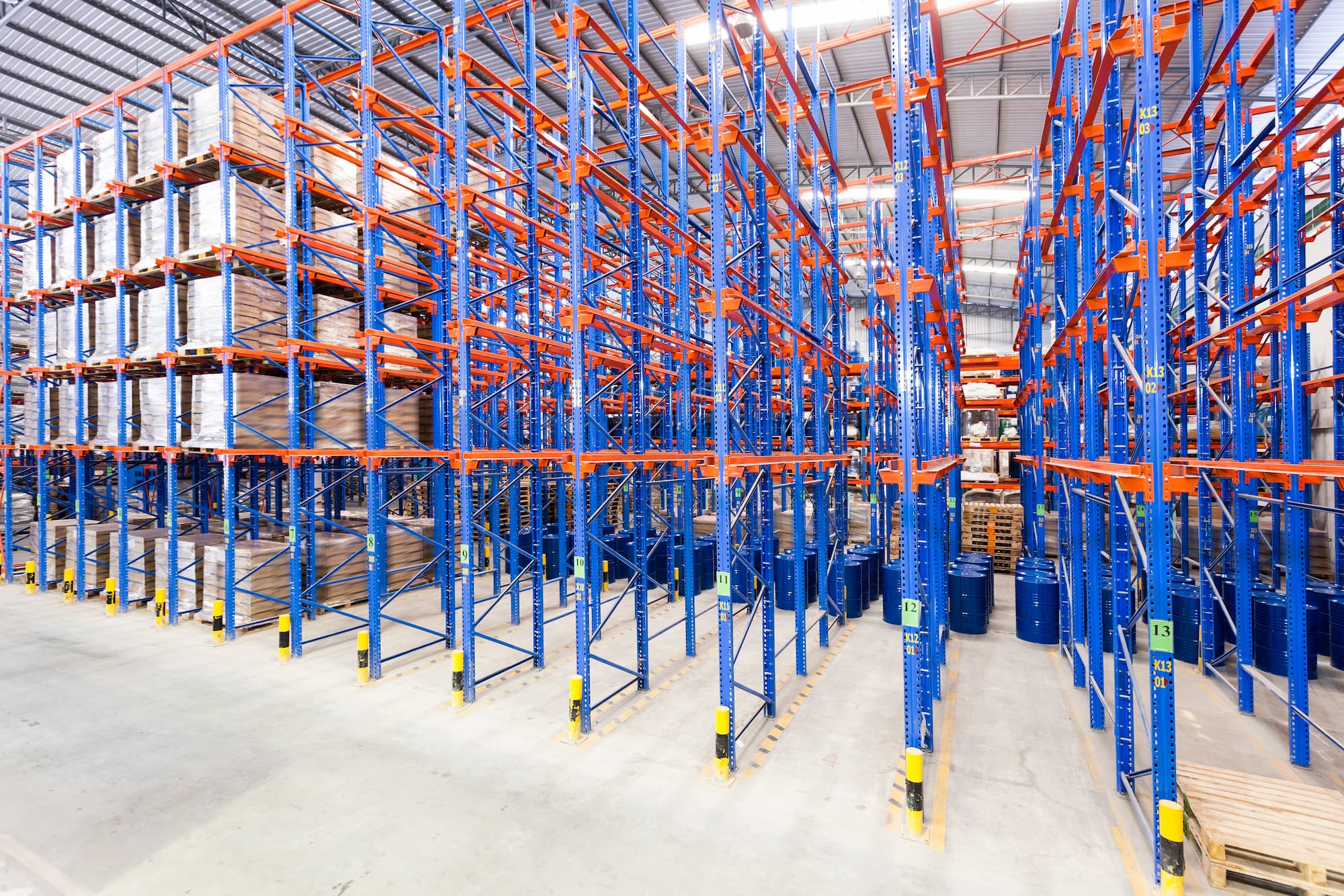
Modern warehouses utilize ASRS, conveyors, and robots. Plastic pallets offer precise, standardized dimensions. This high accuracy prevents errors caused by the inconsistent sizing of wooden alternatives.
10 Support ESG and Sustainability
Modern organizations prioritize ESG, sustainability, and carbon reduction. Plastic pallets are recyclable and prevent deforestation. Their long lifespan reduces waste and enhances your corporate brand image.
Cost Comparison: Wood vs. Plastic Pallets
| Factor | Wooden Pallets | Plastic Pallets |
| Lifespan | 1–3 Years | 5–10 Years |
| Repair Costs | High | Low |
| Damage Costs | Higher | Lower |
| Export Fumigation | Required | Not Required |
| Cleanliness | Hard to control | Easy to control |
| Automation Suitability | Low | High |
Plastic pallets usually offer a lower Total Cost of Ownership (TCO) over five years. Focus on total lifecycle costs rather than the purchase price. Wood accumulates expenses from replacements, repairs, and product damage. Plastic saves you money every year through durability and lower hidden risks.
Frequently Asked Questions (FAQ)
Q: Are plastic pallets more expensive?
A: Yes, the initial purchase price is higher. However, they provide better value over the long term.
Q: Do plastic pallets suit small businesses?
A: Absolutely, especially if you have high stock turnover and want to reduce hidden expenses.
Q: Can I use plastic pallets in cold storage?
A: Yes. Plastic resists moisture and low temperatures better than wood, which often grows mold in shifting cold storage temperatures.
Should You Switch to Plastic Pallets?
Switching to plastic pallets is a smart investment for businesses with high turnover and strict quality standards. They effectively reduce long-term warehouse costs and boost logistics efficiency.
Consult the experts at UPR Thailand to find the perfect pallet for your needs. Contact our team for a free quote and optimize your warehouse today via UPR Thailand.
UPR (Thailand) Co.,Ltd. > Columns > Logistics > Can Plastic Pallets Really Reduce Warehouse Costs?
 Contact us
  Call us
  Line Official