
Warehouse Structure Basics for SMEs: Start Your Stock Right
Contents

Online businesses and E-commerce are booming on Shopee, Lazada, and TikTok Shop. A great warehouse does more than just store goods. It serves as the core of your entire logistics system.
UPR Thailand explores warehouse structure guidelines specifically for SMEs in this article. These strategies reduce costs, minimize waste, and accelerate shipping speeds. Our guide helps you scale for the next 3-5 years without needing a complete system overhaul.
Why SMEs Must Plan Warehouse Structures Early
Warehouses provide essential space for raw materials and finished goods before customer distribution. Early structural planning allows your business to expand easily. You avoid the headache of rebuilding systems later.
Essential Warehouse Structures for SMEs
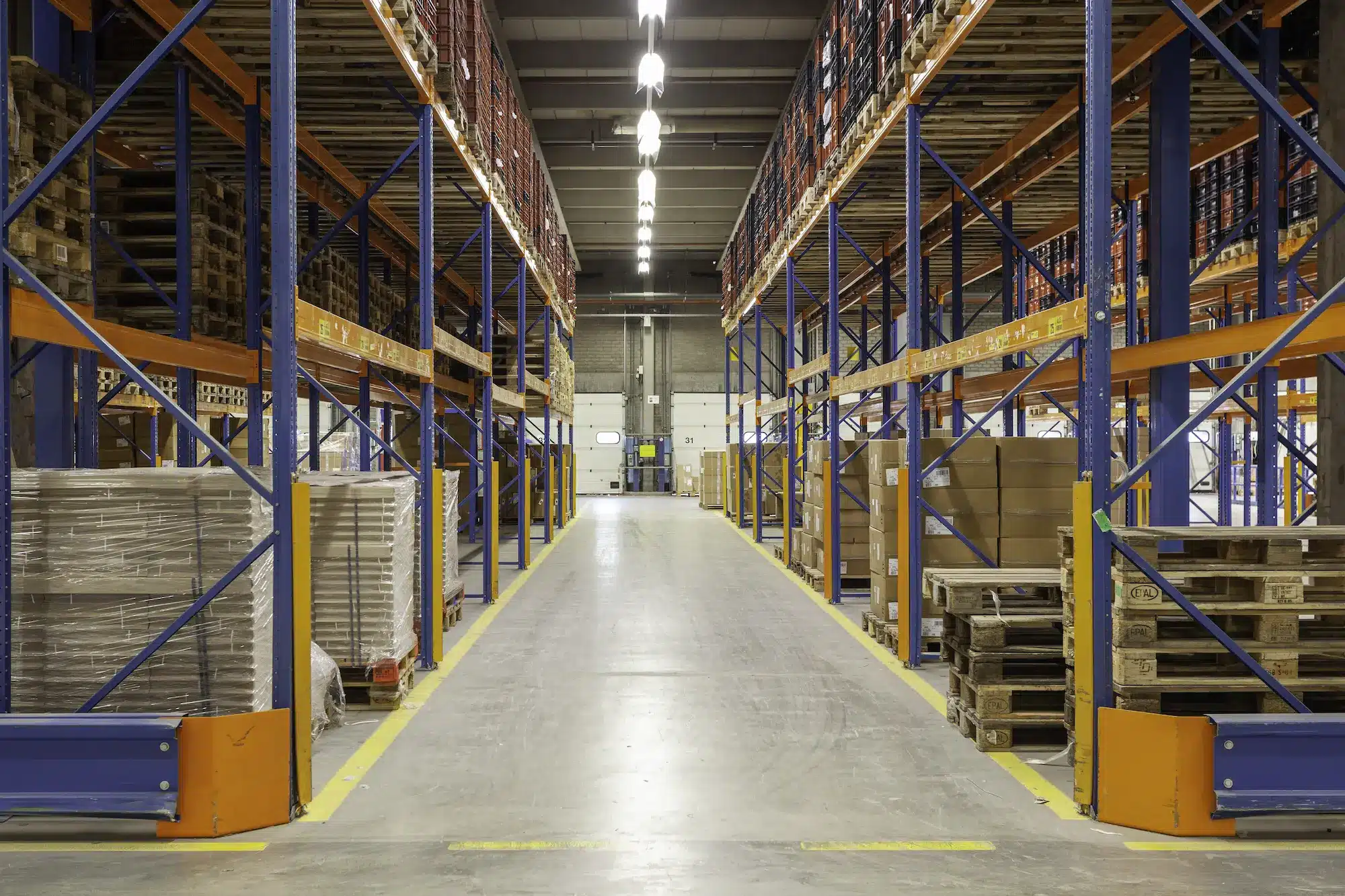
1. Warehouse Layout Clear zoning improves efficiency. Every warehouse needs these areas:
- Receiving Area
- Storage Area
- Picking Area
- Packing Area
- Dispatch Area
Pro Tip: Design a “One-way Flow” to prevent backtracking and save labor time.
2. Racking Systems
SMEs should select racks based on product types:
- Small Items > Use Micro Racks.
- Heavy Items > Use Pallets on Selective Racks.
- Fast-Moving Consumer Goods (FMCG) > Place these near the packing station.
Choosing the wrong rack wastes valuable storage space.
3. Inventory Management System
Beginners often start with Excel. However, growing sales require a Warehouse Management System (WMS). Modern systems automate stock deductions and send low-stock alerts. Multi-channel sellers must sync inventory in real-time across all marketplaces.
4. Stock Rotation Systems
SMEs must understand these two basic principles:
- FIFO (First In, First Out)
- FEFO (First Expired, First Out)
These methods work best for food, cosmetics, and perishable goods.
5. Security and Safety Controls
A solid warehouse structure includes:
- CCTV surveillance systems.
- Fire prevention equipment.
- Access control for restricted areas.
- Comprehensive cargo insurance.
Lacking these systems risks damages worth hundreds of thousands of baht.
6. Stock Planning
Master these three essential terms:
- Safety Stock
- Reorder Point
- Lead Time
Poor calculations lead to stockouts during peak seasons or tied-up capital.
7. Logistics and Shipping Integration
Plan your shipping partners early, whether using Thailand Post, private couriers, or Fulfillment services. High-quality warehouses handle multiple daily pickups and eliminate redundant packing steps.
How to Choose Cost-Effective Racking
Consider these factors before investing:
- What is the weight capacity per level?
- Does the floor support heavy inventory?
- How high is the ceiling?
- Do you have future expansion plans?
Expert designers maximize your storage capacity without needing a larger building.
Ideal Warehouse Sizes for SMEs
Small businesses can choose from several options:
- Storage rooms (20 – 50 sq.m.)
- Small warehouses (100 – 300 sq.m.)
- Ready-built warehouse rentals.
Focus on space utilization rather than just total square footage.

Estimated Warehouse Setup Costs
Budget for these primary expenses:
- Rent and utilities.
- Racking systems.
- Stock management software.
- Labor costs.
- Insurance premiums.
Successful SMEs typically plan budgets for 1-2 years of projected growth.
Common Warehouse Mistakes SMEs Make
- Failing to define clear zones.
- Operating without a digital inventory system.
- Ordering stock based on gut feelings.
- Skipping monthly stock counts.
- Leaving no room for expansion.
Frequently Asked Questions (FAQ)
Q: When should an SME start a warehouse?
A: Start when you exceed 20-30 orders daily or can no longer track stock manually.
Q: Is Excel enough?
A: It works for startups. However, you need a WMS once you manage over 100 SKUs.
Q: Should I rent or build a warehouse?
A: Renting minimizes financial risk if your sales volume remains uncertain.
Q: How much investment do I need?
A: Costs vary by size and tech. Most setups start from tens of thousands to hundreds of thousands of baht.
Building a Sustainable Warehouse for SME Growth
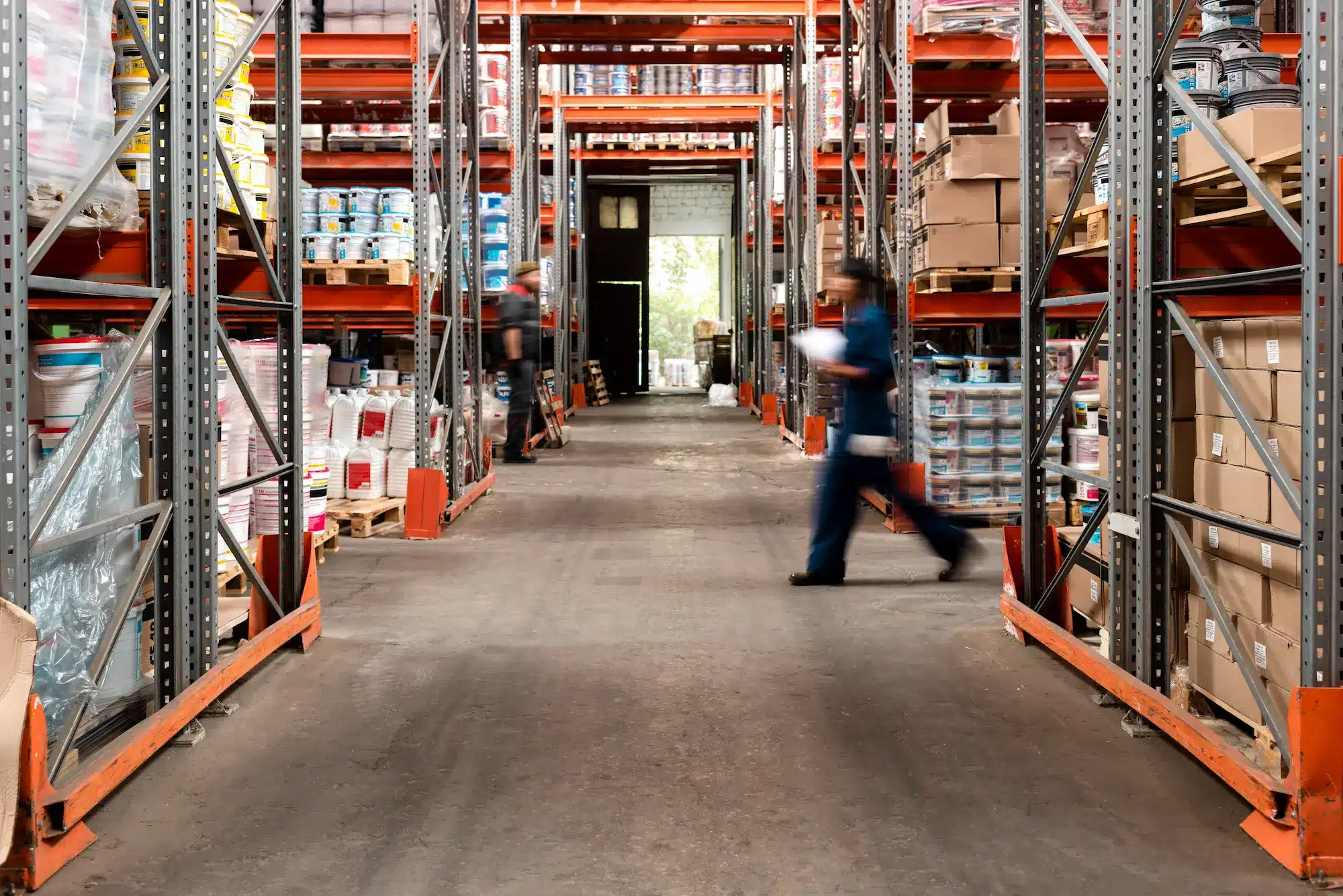
A warehouse structure is a vital system, not just storage. Efficient systems lower costs, speed up delivery, and build brand trust. Proactive planning ensures you can scale without restarting from scratch. Combining a strong warehouse structure with a WMS creates the foundation for long-term success.
Consulting experts like UPR Thailand helps you design high-efficiency racks and optimize your investment for steady growth.
UPR (Thailand) Co.,Ltd. > Columns > Logistics > Warehouse Structure Basics for SMEs: Start Your Stock Right
 Contact us
  Call us
  Line Official