
What are the steps for importing goods by land? Key processes that business owners should know
Contents
💡 Important Notice from UPR Thailand
UPR (Thailand) Co., Ltd. is a provider of “Pallet Rental & Pooling Systems” for logistics and warehouse support only. The company does not provide shipping agency, customs clearance, or freight forwarding services. This article is intended for educational purposes to help businesses coordinate with shipping lines and prepare warehouse packaging equipment according to international standards only.
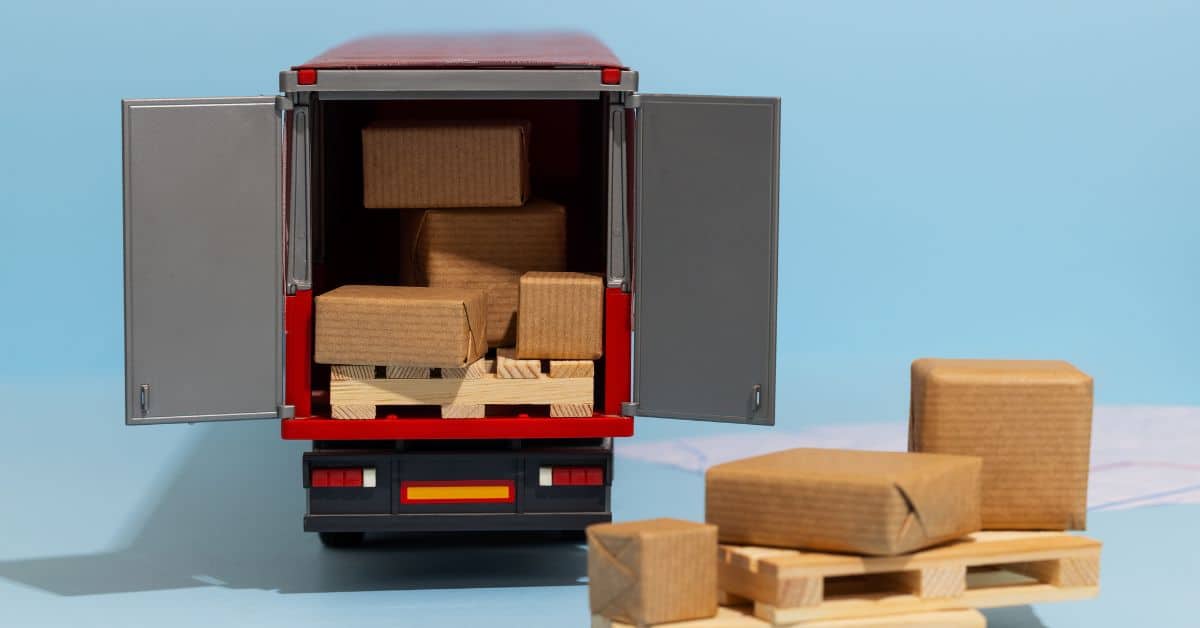
Land-based imports are one of the most popular methods for businesses to bring goods into Thailand, especially from neighboring countries like China, Laos, Cambodia, and Malaysia, using services provided bylogistics companies. These include a wide range of imported goods such as consumer products, raw materials, and electronic devices.
For those starting a business or planning to expand into importing goods from abroad, understanding each step of the import process is essential to ensure smooth and efficient operations.
Preparing the Warehouse
Before proceeding with imports, preparing the warehouse is a critical factor that should not be overlooked. A well-organized pallet management system can reduce operational costs and enhance the speed of receiving, handling, and delivering goods to customers efficiently. This includes installing standard pallet racks, organizing forklift pathways, implementing tracking and storage systems, and allocating storage areas based on product types.
Steps in Land-Based Imports
After completing export customs clearance by the shipper or the freight forwarder hired by the business, the details of the goods are submitted to customs officials and recorded in the Customs Department’s system. Businesses must then follow these import procedures:
1. Prepare and Submit Import Declaration Documents
Importers or responsible parties must prepare the following documents for submission to the Customs Department:
- Vehicle entry report and cargo manifest (Car Manifest) using Form S.B.1
- Bill of lading
- Comprehensive itemized goods list
- Packing list
- Import permits or legally required documents
- Other documents, such as those for the carrier or insurance provider
These details can be submitted online for convenience. If electronic submission is unavailable, the importer can complete the Car Manifest (Form S.B.1) and submit it to customs officers at the border checkpoint for entry into the Customs Department’s system.
2. Customs Verification of Import Declaration
Once the Customs Department records the information, officials will verify the details in the import declaration, such as the importer’s name, address, taxpayer identification number, tariff classification, and declared value. If errors or discrepancies are found, customs will notify the importer for corrections. If the information is complete and accurate, a Received Control Number will be issued to the importer.
Steps in Pallet Cross-Docking at the Border Crossing
An essential aspect of overland import that businesses often overlook is “transshipping cargo at the border.” This is because trucks from neighboring countries (such as China or Laos) usually do not drive directly to final warehouse destinations in Thailand. Instead, cargo is cross-docked onto Thai trucks right at the border checkpoint.
At this stage, if the goods are stacked on non-standard pallets, or if the Thai side fails to prepare empty pallets for exchange, a significant amount of time will be wasted manually unloading and reloading cargo piece by piece. Choosing UPR’s Pallet Pooling rental service—where you can pick up empty pallets from a UPR network warehouse near the border to swap and support cross-border inbound cargo—is a solution that drastically reduces operational time and labor costs.
Conclusion
Maximize Inbound Warehouse Efficiency with Standard Pallet Systems
The overland import process involves complex customs formalities, which most businesses already outsource to shipping lines or private freight forwarders to handle documentation and taxes.
However, when it comes to cost management once the goods arrive in Thailand, preparing the warehouse and pallets to handle the high volume of incoming cargo remains the direct responsibility of the business owner. If you are facing warehouse congestion from imports, or are burdened with purchasing expensive wooden pallets to keep in stock just to receive goods, “UPR’s Pallet Pooling Daily Rental Solution” will help you control expenses based on actual import usage (Pay-per-use). You can flexibly pick up and return pallets across our 11 network locations nationwide, ensuring that receiving imported goods into your warehouse system is as fast and organized as possible.
About UPR Thailand
UPR (Thailand) Co., Ltd. is an expert in logistics and storage systems. We provide high-quality wooden and plastic pallet rentals and sales, as well as racking systems and comprehensive warehouse equipment to help import-export operators manage their warehouses systematically and cost-effectively, backed by over 10 years of experience in Thailand.
If you would like to rent pallets to support imported cargo or improve your warehouse storage system, please contact us at:
-
-
Inquiry Form: www.upr-thailand.co.th/contact/inquiries/
-
Tel: +66-2-672-5100
-
Email: info-thailand@upr-net.co.jp
-
UPR (Thailand) Co.,Ltd. > Columns > Logistics > What are the steps for importing goods by land? Key processes that business owners should know
 Contact us
  Call us
  Line Official