
How to Import Goods by Sea: Steps, Documents & Customs Guide
Contents
💡 Announcement from UPR Thailand
UPR (Thailand) Co., Ltd. is a provider of “Pallet Rental & Pooling” services to support logistics and warehouse systems only. Our company does not provide vessel booking, shipping, or customs brokerage services. This article is intended solely to provide knowledge for business operators in planning product management, packaging equipment, and destination warehouse space in accordance with ocean freight transportation formats.
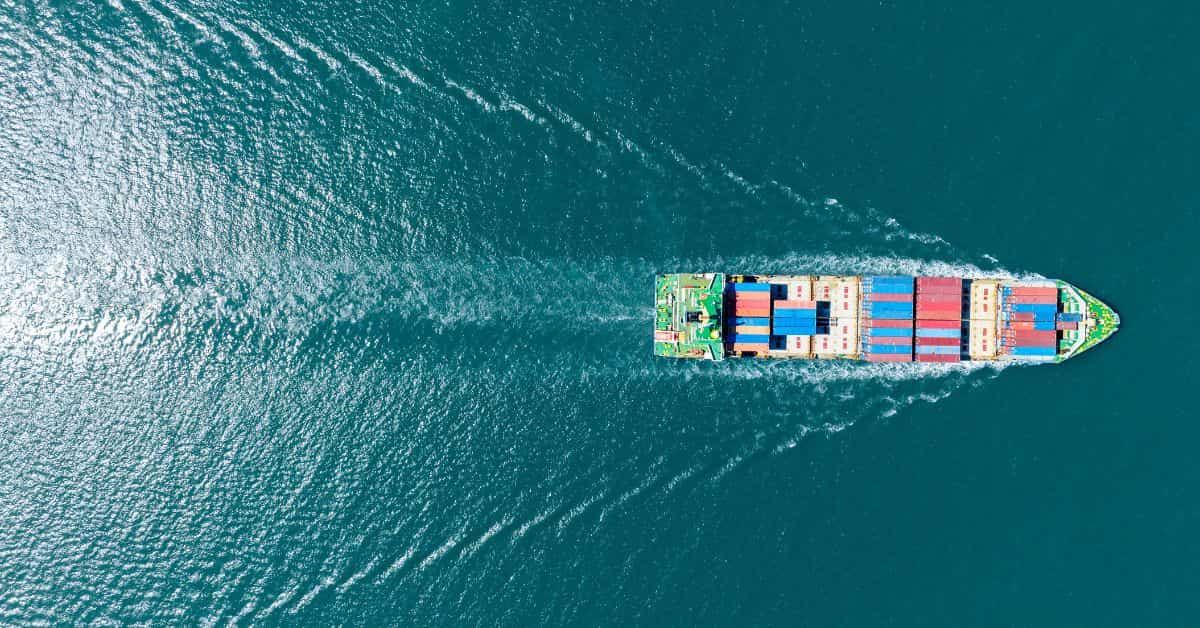
Sea Freight Import is one of the most popular shipping channels for business enterprises and B2B companies due to its ability to transport large volumes of goods at the most cost-effective rates. However, ocean freight involves long transit times and exposure to volatile marine environments. Understanding import formats and preparing destination warehouse readiness is therefore crucial to ensuring smooth business operations and minimizing product damage effectively.
FCL vs. LCL: What is the Difference in Sea Freight Import Formats?
In sea freight importing, cargo is loaded into containers, which are divided into two main formats based on cargo volume, impacting destination warehouse management planning differently:
-
Full Container Load (FCL): The cargo inside the container belongs to a single importer. The advantage is that the container is sealed from the origin and can be transported directly to be opened at our warehouse immediately, reducing the risk of product damage from repetitive handling. It is suitable for large-scale businesses with sufficient cargo volume to fill a container, and goods are typically pre-arranged on wooden or plastic pallets for quick and efficient unloading using forklifts.
-
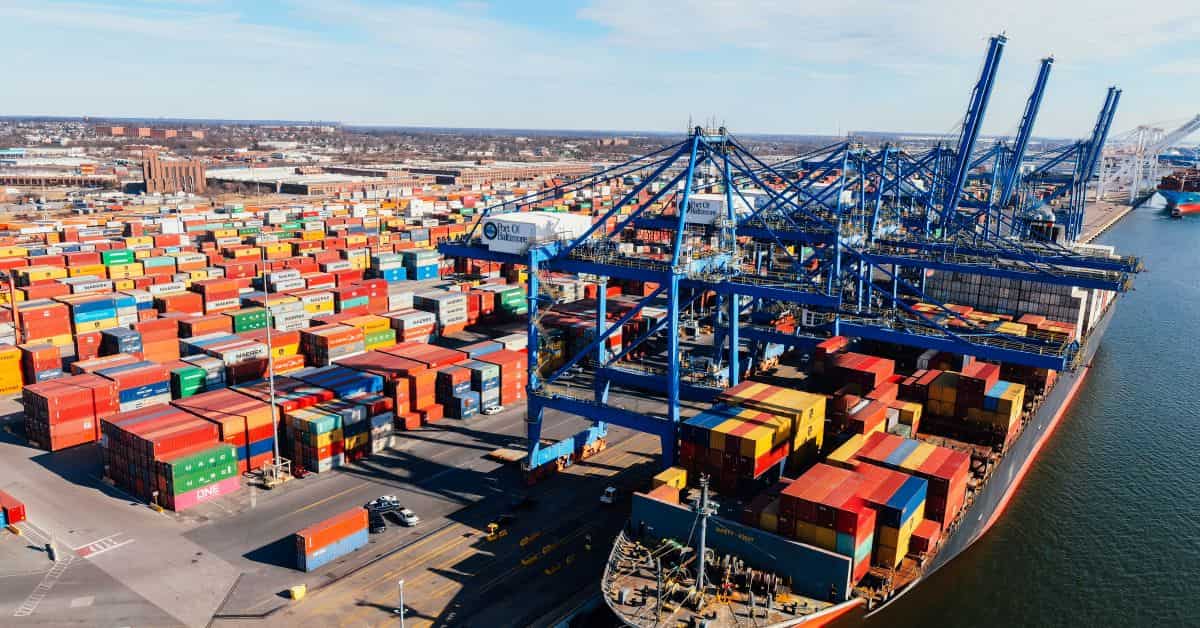
Less Than Container Load (LCL): This format consolidates shipments from multiple small-scale importers into the same container. The goods must be destuffed and sorted (De-consolidation) at the port’s central warehouse before being forwarded to the destination warehouse. This cargo group carries a high risk of impact or damage during sorting. Importers must therefore prepare “durable pallets and stretch film wrap” at the destination warehouse as soon as the cargo arrives to re-categorize items before placing them on storage racks.
Steps to Prepare Your Warehouse for Incoming Sea Freight Cargo
After the shipping line or freight forwarder completes customs formalities and clears the cargo from the port, the handover process to the destination warehouse involves key steps that warehouse managers must handle as follows:
-
Truck Scheduling and Storage Space Preparation: Importers must coordinate the date and arrival time of container trucks or transport vehicles at the warehouse to ensure the receiving area is clear and ready for use, and establish time slots for the warehouse team to unload the cargo.
-
Container Unloading and Condition Inspection: Upon cargo arrival, the warehouse must have forklifts and hand pallet jacks fully prepared. If the goods are shipped via FCL and already placed on pallets, it will save significant time. However, for loose cargo stacked as individual pieces, the team must prepare empty warehouse pallets to receive and arrange the items immediately for speed and safety.
-
Standardized Pallet Management and Product Racking: Most sea freight imports are heavy and require long-term warehouse storage prior to distribution. Transferring goods onto plastic or wooden pallets with a sturdy structure and international standard dimensions ensures they can be securely lifted onto racking systems, reducing the risk of pallet breakage or cargo collapsing within the facility.
Conclusion
Control Post-Import Warehouse Costs with a Pallet Pooling System
While sea freight helps businesses save significantly on international transportation costs, many operators face hidden expenses at the destination warehouse from having to purchase large quantities of pallets to accommodate cargo arriving simultaneously in full containers. This leads to pallet overflows during low-stock periods or pallet shortages during peak inbound periods.
The solution of “UPR’s Pallet Rental via Pallet Pooling Service” directly addresses the needs of modern import-export businesses. You can rent standardized plastic or wooden pallets to handle goods during high-import periods and return the empty pallets to UPR’s network warehouses immediately once distribution is complete. This helps convert fixed costs into variable costs, maximizing flexibility in warehouse management.
About UPR Thailand
UPR (Thailand) Co., Ltd. is an expert in logistics and warehouse storage systems. We provide high-quality wooden pallet (ISPM 15 standard) and plastic pallet rentals and sales, as well as racking systems and comprehensive warehouse equipment to support B2B enterprises and the logistics industry in managing space efficiently, backed by over 10 years of experience in Thailand.
If you would like to rent or purchase pallets to support sea freight imports, or improve your warehouse storage system, please contact us at:
-
Inquiry Form: www.upr-thailand.co.th/contact/en/inquiries/
-
Tel.: +66-2-672-5100
-
Email: info-thailand@upr-net.co.jp
UPR (Thailand) Co.,Ltd. > Columns > Logistics > How to Import Goods by Sea: Steps, Documents & Customs Guide
 Contact us
  Call us
  Line Official