
Move Heavy Loads in Tight Spaces — Reduce Risk, Cut Costs, Boost Efficiency.
Contents
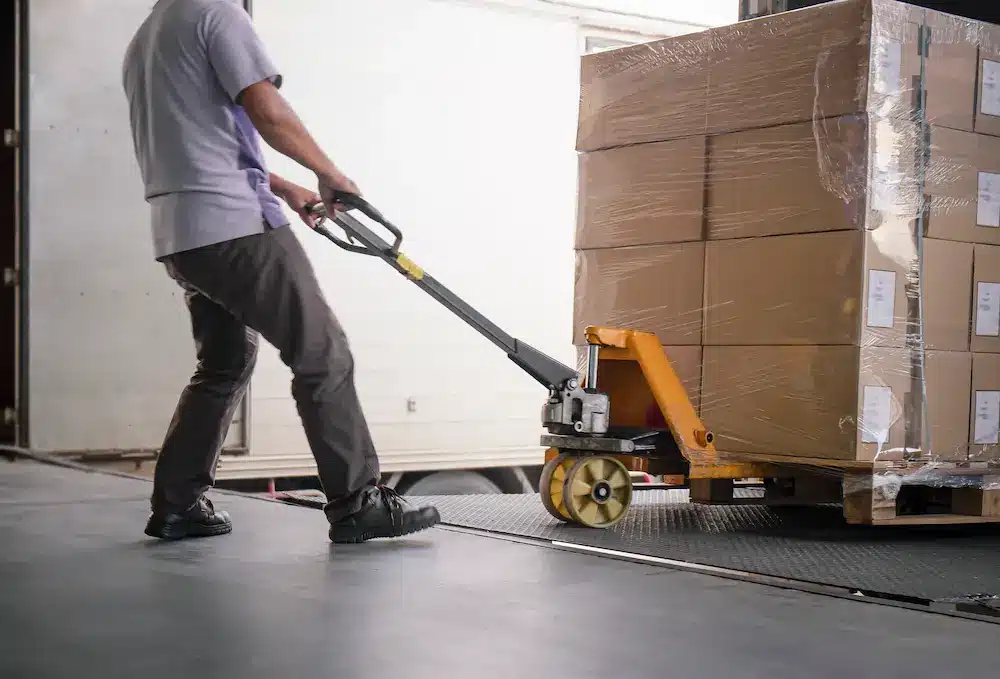
Ever had to move hundreds of kilograms of goods through a tight warehouse aisle where even walking past someone is a squeeze? Or struggled to get large equipment through a doorway that seems just a few inches too small?
It’s a problem most warehouses deal with — and it’s not just about strength. Getting heavy items from A to B safely and efficiently is more about strategy.
Handling heavy loads in confined spaces involves more than it looks. Load size, weight, center of gravity, available space, team capability — any one of these, handled wrong, can lead to damaged goods or a serious injury.
Many operations still relying on manual labor end up absorbing the costs of that: delays, inflated labor hours, and repeated accidents. All of it fixable, with the right tools and approach.
Common Challenges in Warehouses and Factories
In logistics and industrial environments, moving heavy items in limited spaces is an everyday task. Whether that’s shifting pallets in a warehouse, relocating machinery, or restocking in a tight retail space — challenges are everywhere.
Typical problems:
- Aisles too narrow for standard forklifts
- Hard to maneuver equipment
- Obstacles along the path
- Uneven floors
Each one can slow down operations and increases accident risk.

The Business Impact of Poor Handling
A single handling mistake can cost thousands. Damaged products, broken equipment, employee injuries — these are the obvious ones. But the hidden costs add up just as fast: longer working hours, higher labor spend, and productivity losses that quietly eat into your margins.
Key Principles Before Moving Heavy Loads
Good lifting starts with planning, not muscles.
1 Evaluate Weight and Center of Gravity
Know the weight, and know where it sits. An unbalanced load tips easily in motion — that determines your method and equipment before anything else.
2 Survey the Area and Plan the Route
Walk the path first. Tight corners, narrow passages, floor conditions — small details that seem minor can derail a move quickly. A clear route means fewer errors and a faster job..
3 Choose the Right Equipment
Moving 200 kg is a different problem from moving 2 tons. Wrong equipment doesn’t just slow you down — it puts people at risk.
10 Easy Ways to Move Heavy Loads in Tight Spaces
1 Use a Hand Pallet Truck
One of the most practical tools for tight spaces. It’s compact, easy to maneuver, handles heavy loads — built for warehouse use.
2 Use a Dolly
Simple and effective. Good for large items like cabinets or machinery, cutting down friction without needing to lift.
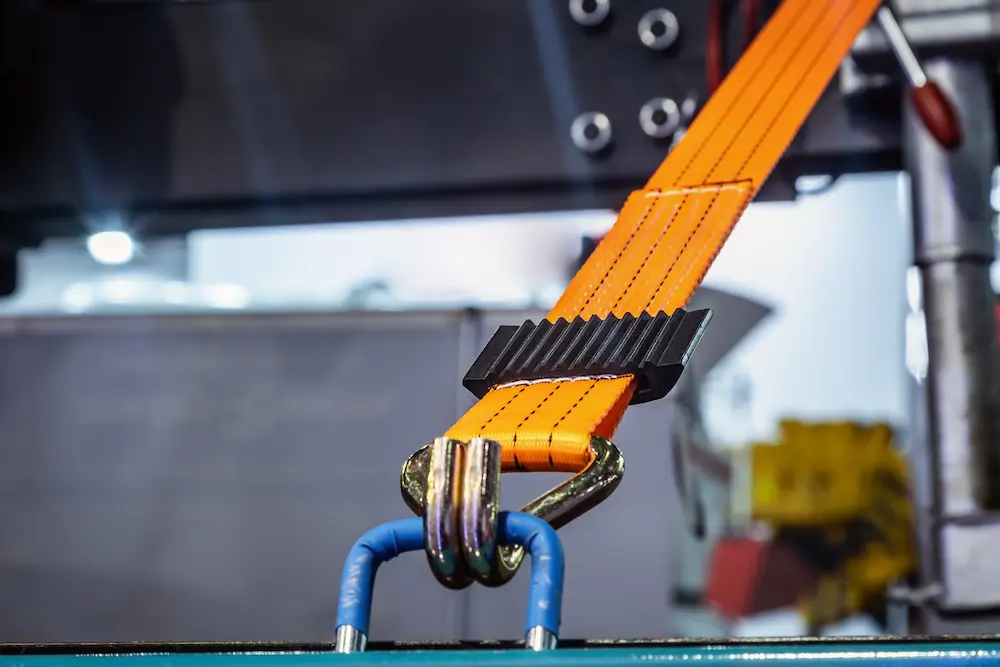
3 Use Lifting Straps
Helps distribute weight evenly and reduce strain on your back.
4 Apply Proper Lifting Techniques
Lift with your legs, keep your back straight, and move slowly to avoid injury.
5 Use Sliding Sheets
For dragging heavy items across smooth surfaces without lifting. Straightforward and underused.
6 Use an Electric Stacker
More efficient than manual lifting for regular pallet work, and narrow enough for tight warehouse aisles. Handles heights up to 3–5 meters onto storage racks.
7 Disassemble When Possible
Smaller parts are easier and safer to move. Worth the extra few minutes.
8 Use Hoists or Small Cranes
For loads that are simply too heavy for anything else — safe and efficient when set up correctly.
9 Balance the Load Properly
Prevents tipping and improves stability.
10 Work as a Team
Coordinated movement reduces effort and keeps everyone safer.
Popular Warehouse Equipment Comparison
| Equipment | Load Capacity | Suitability for Tight Spaces | Ease of Use | Best For |
| Hand Pallet Truck | Medium-High
(2–3 tons) |
Excellent | Easy | Warehouse use |
| ForkLift | High (3+ tons) | Moderate | Skilled operator needed | Heavy-duty lifting |
| Dolly | Medium | Good | Easy | Large items |
| Crane | Very High | Low | Skilled operator needed | Machinery |
| Electric Stacker | Medium–High (1–2 tons) | Excellent | Easy | Narrow aisle warehouses |
| Stacker | Medium–High (1–2 tons) | Excellent | Easy | General pallet stacking |
Manual Labor vs Equipment Which Is More Cost-Effective?
Manual labor looks cheaper upfront. Over time, it rarely is.
Why?
- Reduces working time
- Lowers labor costs
- Minimizes accidents
Businesses that make the switch typically see labor cost reductions of 30–50% on heavy-load tasks — alongside a meaningful jump in overall productivity.
Safety Tips for Moving Heavy Loads
One accident can have consequences that last well beyond the incident itself — for the employee and the business.
To reduce risks:
- Use appropriate tools
- Regularly inspect equipment
- Provide proper employee training — not just at onboarding
Personal Protective Equipment (PPE) — gloves, safety shoes, helmets — reduces injury severity when something does go wrong. It’s not a substitute for the above, but it matters.
Moving heavy loads in tight spaces doesn’t have to be the hard part of your operation. The right equipment investment reduces physical effort, improves safety, and supports long-term growth.
Frequently Asked Questions (FAQ)
Q: When should lifting equipment be used?
A: For items heavier than 20–25 kg, using equipment is recommended to reduce risk.
Q: What equipment works best in tight spaces?
A: Hand pallet trucks and dollies are the most practical options for most setups.
Q: Is employee training necessary?
A: Yes — it’s not optional if safety matters.
Q: How can lifting costs be reduced?
A: Use proper tools and plan well ahead.
Q: How do I choose the right equipment for my business?
A: Consult experts such as UPR Thailand to find the best solution.
Upgrade Your Warehouse Efficiency with UPR Thailand
If heavy lifting in tight spaces is slowing your operation down, UPR Thailand has the equipment to fix it — hand pallet trucks, lifting equipment, conveyor systems, and plastic pallets, all spec’d for industrial and warehouse environments.
Built to improve efficiency, cut costs, and keep people safe — whatever your industry.
UPR (Thailand) Co.,Ltd. > Columns > Logistics > Move Heavy Loads in Tight Spaces — Reduce Risk, Cut Costs, Boost Efficiency.
 Contact us
  Call us
  Line Official